

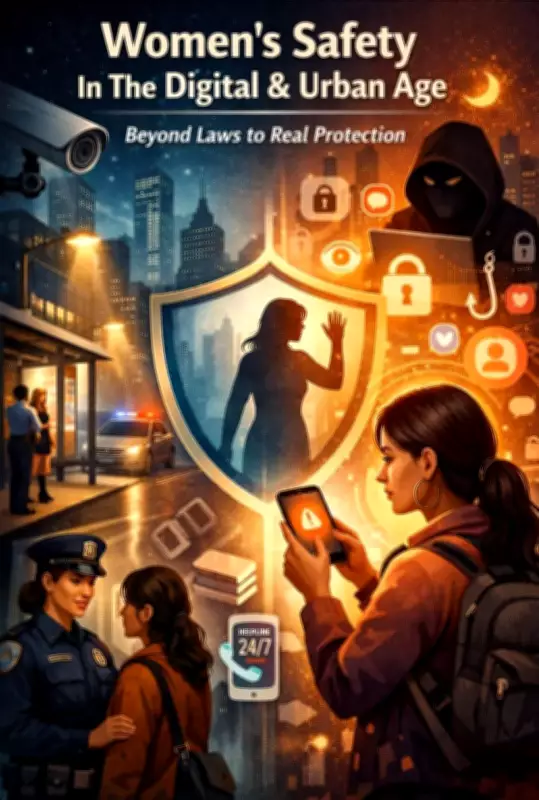
Women's Safety in the Digital and Urban Age: Moving Beyond Laws to Real Protection
In today's rapidly evolving world, the safety of women in India faces dual challenges from both the digital realm and urban environments. While laws and regulations exist to protect women, experts argue that true safety requires a holistic approach that goes beyond mere legislation. This article explores the critical need for community involvement, digital literacy, and thoughtful urban planning to ensure real protection for women.
The Limitations of Legal Frameworks
India has enacted numerous laws aimed at safeguarding women, such as the Protection of Women from Domestic Violence Act and the Criminal Law (Amendment) Act. However, these legal measures often fall short in practice due to slow implementation, lack of awareness, and societal stigma. For instance, many women hesitate to report incidents due to fear of retaliation or social ostracization. This gap between law and reality highlights the need for complementary strategies.
Digital Safety: A Growing Concern
The rise of the internet and social media has introduced new risks for women, including:

- Online harassment: Cyberstalking, trolling, and non-consensual sharing of images.
- Privacy breaches: Data leaks and identity theft targeting women.
- Misinformation: Spread of false information that can harm reputations.
To combat these issues, enhancing digital literacy is crucial. Women must be educated on safe online practices, such as using strong passwords and recognizing phishing attempts. Additionally, tech companies and policymakers need to collaborate on better reporting mechanisms and stricter enforcement of cyber laws.
Urban Safety: Designing Safer Cities
In urban areas, women often face threats like harassment in public spaces, unsafe transportation, and poor lighting. Key steps to improve urban safety include:
- Better infrastructure: Installing streetlights, surveillance cameras, and emergency call boxes.
- Safe transportation: Ensuring well-lit bus stops, women-only compartments, and reliable ride-sharing services.
- Community patrols: Encouraging neighborhood watch programs and citizen involvement.
Urban planners must prioritize gender-sensitive designs that make cities more accessible and secure for women, moving beyond reactive measures to proactive prevention.
The Role of Community and Education
Real protection for women hinges on societal change. Communities play a vital role by:
- Promoting gender equality through awareness campaigns and workshops.
- Supporting survivors with counseling and legal aid.
- Fostering a culture of respect that condemns violence and harassment.
Education systems should integrate lessons on consent, empathy, and digital ethics from an early age, helping to shape future generations that value women's safety.
Conclusion: A Multi-Faceted Approach
Ensuring women's safety in the digital and urban age demands more than just laws; it requires a concerted effort from all sectors of society. By combining legal reforms with community action, digital empowerment, and urban innovation, India can move toward real protection that empowers women to live freely and securely. The path forward lies in embracing these holistic strategies to create a safer environment for all.






