

Shivamogga MP Unveils Ambitious Agumbe Ghat Road Development Project
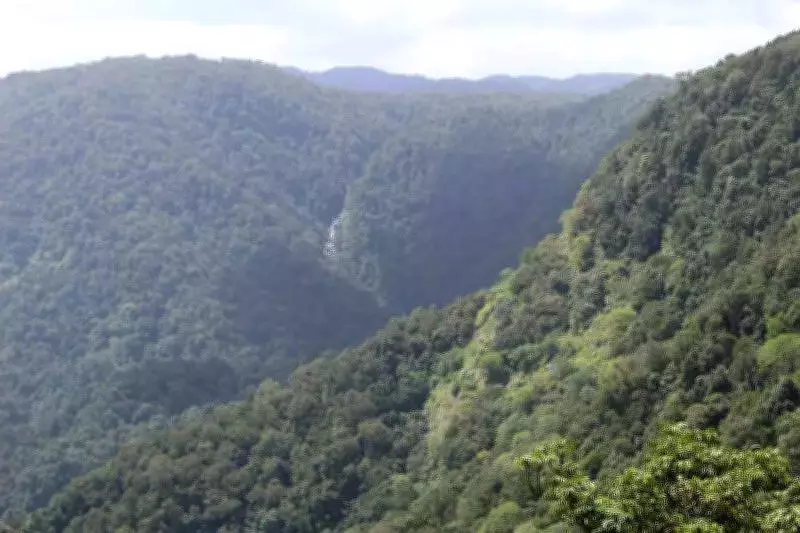
In a significant announcement on Wednesday, Shivamogga MP BY Raghavendra revealed that the Union government has initiated the process to prepare a Detailed Project Report (DPR) for upgrading a critical 20-kilometer stretch of National Highway-169A passing through the Agumbe Ghat. This area forms the core of the renowned Agumbe rainforest, connecting Shivamogga with the coastal city of Mangaluru.
Project Details and Government Approval
The Union government has sanctioned Rs 2.3 crore specifically for the preparation of this comprehensive DPR. This report will not only assess the feasibility of upgrading the existing road but will also explore the potential construction of a tunnel bypass through the challenging terrain. Additionally, the DPR will include crucial geotechnical surveys to evaluate the geological stability of the region.
MP Raghavendra emphasized that this initiative has received direct approval from Prime Minister Narendra Modi and Union Road Transport and Highways Minister Nitin Gadkari. He framed the project as a vital step toward finding a permanent solution to the dangerous travel conditions that have plagued commuters for decades. According to the MP, the upgraded infrastructure would significantly enhance connectivity, improve road safety, and boost trade and tourism between the Malnad and coastal regions of Karnataka.

Immediate Environmental Backlash and Warnings
However, the announcement was met with swift and stern opposition from environmental activists. Nagaraj Koove, a prominent environmentalist, issued a strong warning against proceeding with the project, urging the government to immediately scrap plans for both the tunnel road and the proposed two-lane expansion.
Koove's concerns are deeply rooted in the region's ecological significance. The Agumbe Ghat road passes directly through the Someshwara Wildlife Sanctuary, a recognized biodiversity hotspot. This sanctuary is a critical habitat for rare and endangered species, most notably the king cobra and the lion-tailed macaque.
The environmentalist presented a multi-faceted argument against the development:
- Ecological Catastrophe: Koove argued that the dense forests and numerous streams in Agumbe are vital to the region's ecological balance. Any large-scale disruption from construction activities could have catastrophic effects on local rainfall patterns and agricultural productivity.
- Geological Fragility: He highlighted that the geological structure of the Agumbe region is exceptionally fragile and may not withstand the vibrations and stress caused by heavy machinery and extensive tunneling operations.
- Cultural and Conflict Risks: Koove pointed to a unique cultural aspect, noting that local communities revere the King Cobra and traditionally avoid entering deep forests out of religious respect. He warned that habitat destruction could force snakes and other wildlife into residential areas, leading to unprecedented levels of human-wildlife conflict.
This development sets the stage for a classic confrontation between infrastructure progress and environmental conservation. The proposed road project promises improved connectivity and economic benefits for the Shivamogga and coastal regions, but it directly challenges the preservation of one of Karnataka's most ecologically sensitive areas. The outcome of this debate will likely hinge on the findings of the Detailed Project Report and the government's willingness to balance development with ecological safeguards.






