AIMIM Leader Slams Maharashtra Government Over Muslim Quota Decision
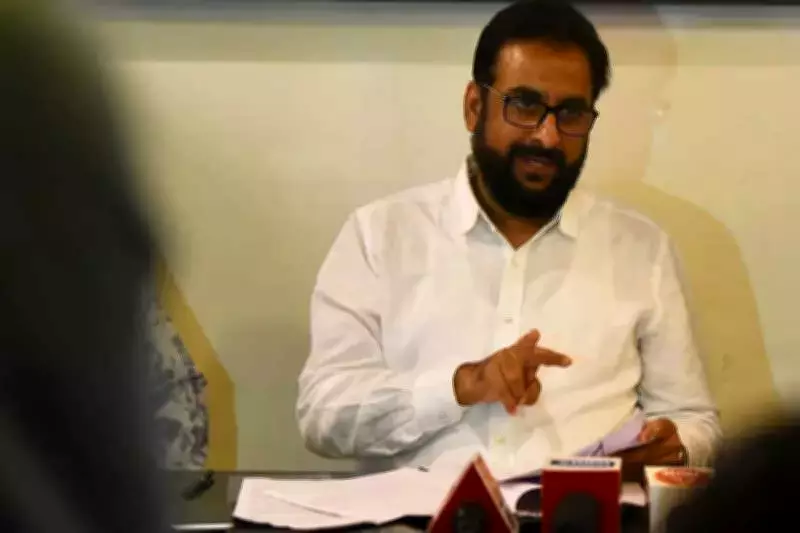
In a sharp critique of the Maharashtra state government, former Member of Parliament and AIMIM state president Syed Imtiaz Jaleel has raised serious questions regarding the recent decision to abolish the 5% reservation for Muslims under the Socially and Educationally Backward Classes (SEBC) category. Speaking on Wednesday, Jaleel directly addressed Chief Minister Devendra Fadnavis, asking whether this move was intended as a 'Ramzan gift' for the Muslim community in the state.
Jaleel Advocates for Broader Reservation Based on Economic Need
Emphasizing that his stance on reservation extends beyond any single community, Jaleel highlighted the widespread issues of poverty and limited educational access affecting various groups across Maharashtra. "Not every individual in the Brahmin community is affluent. There are impoverished students within that community as well, who aspire to education but face financial barriers. They too deserve concessions and support," Jaleel stated. He reiterated his firm support for the Maratha reservation and advocated for income-based benefits to assist all deprived sections of society, underscoring a commitment to inclusive policies.
Timing of Decision During Ramzan Sparks Outrage
With the holy month of Ramzan commencing on Thursday, Jaleel expressed deep concern over the timing of the government's announcement, which he believes has wounded the sentiments of the Muslim community. "Is this the Ramzan gift for the Muslims in Maharashtra?" he questioned, criticizing the state leadership for withdrawing the reservation at such a sensitive time. He argued that this decision not only impacts educational and employment opportunities but also sends a negative message during a period of religious observance and reflection.

Jaleel Calls on Muslim Clerics to Take a Stand
In a pointed remark, Jaleel also questioned the silence of Muslim clerics on this critical issue. He accused some religious leaders of becoming active only during election cycles, where they appeal to voters to support specific candidates or political parties. "Will you emerge only once every five years? Now that the community is confronting a crisis over reservation, what role are you playing?" Jaleel demanded. He referenced the defeat of an AIMIM candidate in Beed, alleging that clerics in the district had collectively backed former deputy chief minister late Ajit Pawar and mobilized votes in his favor, which contributed to the AIMIM candidate's loss.
Jaleel urged these clerics to unite and lead the fight for reservation, stating, "Since the clerics were able to unite for a political stand during elections, I now expect them to come together and champion the reservation cause as well. I am prepared to follow your lead in this struggle." He emphasized that while AIMIM members and workers consistently protest on community-related issues, other groups often influence voters during election seasons, a practice he insists must cease. "Those who speak up during elections must now step forward and take action," Jaleel added, calling for sustained advocacy beyond political campaigns.