AIMIM Leader Imtiaz Jaleel Slams Maharashtra Government Over Muslim Quota Cancellation
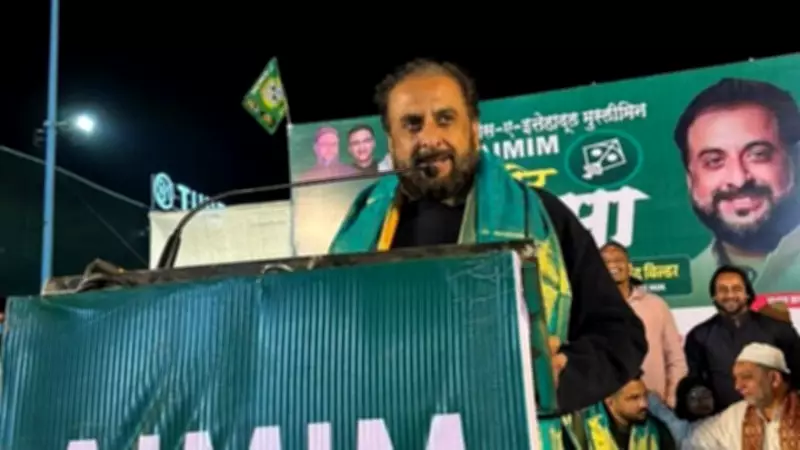
In a sharp critique, AIMIM leader and former MP Imtiaz Jaleel has accused the ruling party of intentionally obstructing Muslims from pursuing careers as IAS and IPS officers. This accusation comes in response to the recent decision by the BJP-led Maharashtra government to cancel a five per cent reservation quota for Muslims in the state.
Background of the Quota Cancellation
The Maharashtra government, under the leadership of the BJP, has officially revoked a five per cent quota that was previously allocated for Muslims in various sectors, including education and employment. This move has sparked significant controversy and debate across political and social circles in the region.
Imtiaz Jaleel, a prominent figure in the All India Majlis-e-Ittehadul Muslimeen (AIMIM), expressed strong disapproval of this decision. He argued that the cancellation is not merely an administrative change but a deliberate attempt to marginalize the Muslim community by limiting their opportunities to secure prestigious positions in the civil services, such as the Indian Administrative Service (IAS) and Indian Police Service (IPS).

Political Reactions and Implications
The decision has drawn mixed reactions from various political parties. While the BJP has defended the move as part of broader policy adjustments, opposition groups, including the Congress and AIMIM, have condemned it as discriminatory. Jaleel emphasized that this action undermines the principles of social justice and equal opportunity enshrined in the Indian Constitution.
He further stated, "The ruling party's agenda appears to be focused on excluding Muslims from key administrative roles, which is detrimental to the inclusive growth of our society." This statement highlights the deepening political tensions in Maharashtra, a state known for its diverse demographic and complex socio-political landscape.
Impact on Muslim Community and Future Prospects
The cancellation of the quota is expected to have a direct impact on the Muslim community in Maharashtra, potentially reducing their representation in government services and higher education institutions. Jaleel warned that this could lead to increased alienation and hinder the community's socio-economic progress.
As the debate continues, stakeholders are calling for a reevaluation of the decision to ensure that affirmative action policies remain fair and equitable. The issue is likely to remain a focal point in upcoming political discussions and electoral campaigns in the state.