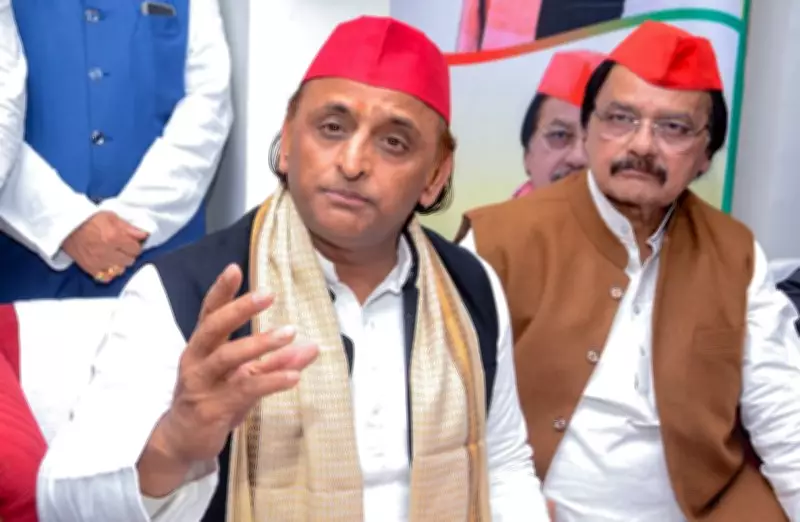
Akhilesh Yadav Denounces Derogatory Language Against Shankaracharya as Verbal Violence
In a significant political statement, Samajwadi Party chief Akhilesh Yadav has strongly condemned the use of derogatory language against Shankaracharya, describing it as a form of verbal violence. This remark comes amid ongoing political tensions in Uttar Pradesh, where religious and cultural sensitivities often intersect with electoral dynamics.
Context of the Controversy
The controversy erupted following recent incidents where derogatory remarks were allegedly made against Shankaracharya, a revered spiritual leader in Hinduism. While specific details of the incidents were not fully disclosed in the report, the issue has sparked widespread debate in political circles. Akhilesh Yadav's intervention highlights the growing concern over the tone of public discourse, particularly in a state known for its diverse religious landscape.
Akhilesh Yadav's Stance on Respectful Dialogue
Akhilesh Yadav emphasized that such language is not only disrespectful but also constitutes verbal violence, which can inflame communal tensions and undermine social harmony. He called for all political actors and public figures to engage in more respectful and constructive dialogue, avoiding personal attacks or insults based on religious or cultural affiliations. This stance aligns with his party's broader efforts to promote secular values and inclusive politics in Uttar Pradesh.

Implications for Uttar Pradesh Politics
This incident underscores the volatile nature of political rhetoric in Uttar Pradesh, where issues related to religion and culture frequently become flashpoints. Akhilesh Yadav's condemnation may be seen as an attempt to position the Samajwadi Party as a defender of religious tolerance and ethical conduct in public life. It also reflects the ongoing competition for moral high ground among political parties in the state, especially ahead of potential electoral battles.
Broader Reactions and Future Outlook
While other political parties have not yet issued formal responses, the issue is likely to resonate with voters who value decorum in political discourse. Experts suggest that such controversies could influence public perception and voting patterns, particularly in regions with strong religious sentiments. Moving forward, Akhilesh Yadav's call for verbal restraint may set a precedent for how similar incidents are addressed in Indian politics, emphasizing the need for civility over confrontation.