Political Fallout: How Campaign Songs Cost Opposition in Bihar
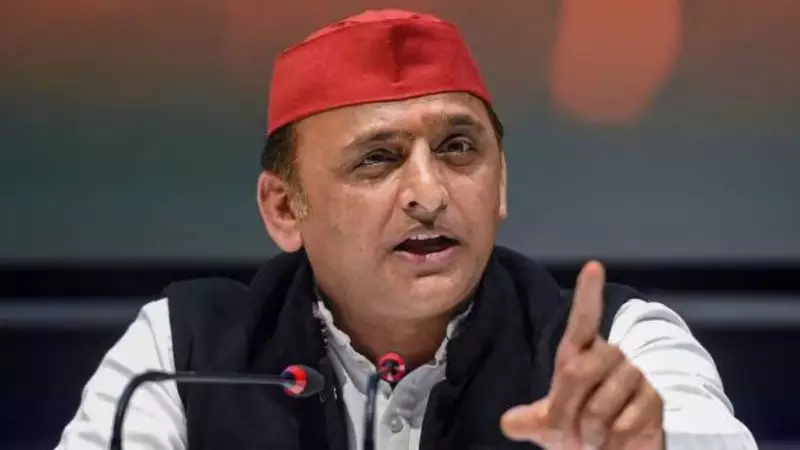
In a significant move that highlights the growing importance of cultural messaging in Indian politics, Samajwadi Party president Akhilesh Yadav has issued a stern warning to his party's cultural cell workers against creating any campaign songs similar to those that proved damaging for the Opposition alliance during the recent Bihar elections.
The caution comes just days after the Tejashwi Yadav-led Rashtriya Janata Dal (RJD) blamed certain Bhojpuri singers and their songs for contributing to the party's electoral defeat in Bihar. According to party insiders, these controversial songs either projected an overly aggressive image of the party or portrayed it in negative light, ultimately hurting the Opposition's prospects.
Learning from Bihar's Electoral Mistake
According to a party member who spoke on condition of anonymity, Yadav specifically cautioned SP workers about the potential damage that inappropriate campaign music can cause. The warning was delivered during a recent party meeting where the Bihar election results were analyzed in detail.
The Samajwadi Party's cultural cell is known for regularly producing video songs in support of Akhilesh Yadav, which are frequently played during his press conferences and various party events. These musical productions have become an integral part of the party's campaign strategy, particularly in Uttar Pradesh where cultural messaging plays a crucial role in connecting with voters.
Strict Monitoring of Party Content
The seriousness of Yadav's warning became evident on Saturday, December 1, 2025, when the SP chief allowed a music video created by a party office-bearer to be played at the party office. However, he accompanied this permission with a clear caution that the content creator would be held personally responsible for any "political error" in the material.
This incident underscores the heightened sensitivity within political parties regarding their cultural messaging, especially after the Bihar experience where supposedly supportive content backfired spectacularly. The RJD's post-election analysis had specifically identified these controversial songs as one of the factors behind their poor performance.
The timing of this warning is particularly significant as political parties begin preparations for upcoming state elections. The Samajwadi Party's proactive approach in learning from the Bihar experience demonstrates their understanding of how cultural content can make or break electoral alliances in contemporary Indian politics.