Street Vendors and Civic Officials Clash in Amritsar, FIR Registered
A confrontation between street vendors and officials from the Amritsar Municipal Corporation has resulted in the filing of a First Information Report (FIR) following a violent clash. The incident occurred during an anti-encroachment drive conducted by the civic body, underscoring persistent disputes over vending spaces and urban management in the historic city.
Details of the Clash and Immediate Aftermath
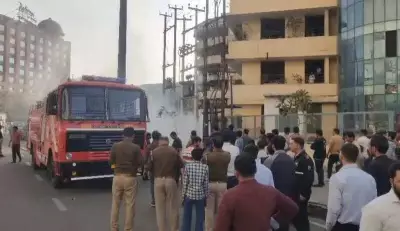
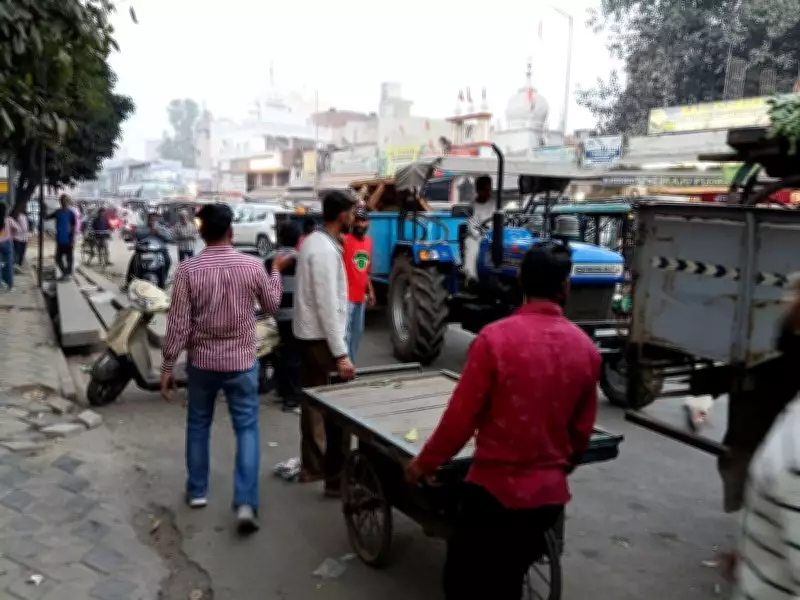
According to reports, the clash erupted when municipal officials attempted to remove unauthorized stalls and structures set up by street vendors in a busy area of Amritsar. The vendors, who rely on these spots for their livelihoods, resisted the eviction, leading to a heated exchange that quickly escalated into physical altercations. Both sides alleged assault and property damage during the incident, which drew attention from local residents and authorities.
In response to the violence, police were called to the scene to restore order. An FIR has been filed based on complaints from the civic officials, citing charges such as obstruction of public duty, assault, and vandalism. The vendors, however, claim they were acting in self-defense and protesting against what they describe as harsh and sudden enforcement actions without adequate notice or alternative arrangements.
Broader Context and Urban Governance Challenges
This clash is not an isolated event but part of a larger pattern of conflicts between street vendors and municipal authorities across India. In Amritsar, like many other cities, vendors often operate in informal sectors due to limited legal vending zones and complex regulations. The Municipal Corporation's anti-encroachment drives aim to clear public spaces and ensure compliance with urban planning norms, but they frequently face resistance from vendors who argue that such measures threaten their economic survival.
Urban experts point out that these incidents highlight the need for balanced policies that address both public space management and the livelihoods of street vendors. The Street Vendors (Protection of Livelihood and Regulation of Street Vending) Act, 2014, was enacted to regulate vending and protect vendors' rights, but its implementation has been inconsistent, leading to ongoing tensions. In Amritsar, previous clashes have been reported, indicating a recurring issue that requires sustained dialogue and effective enforcement mechanisms.
Impact on Local Community and Future Implications
The clash has stirred concerns among the local community, with many residents expressing sympathy for the vendors while also acknowledging the need for orderly urban spaces. Business owners in the area have reported disruptions due to the incident, and there are calls for a more collaborative approach to resolve such disputes. The FIR filing is expected to lead to legal proceedings, which could set a precedent for how similar cases are handled in the future.
Moving forward, stakeholders, including the Amritsar Municipal Corporation, police, and vendor associations, are urged to engage in discussions to prevent further conflicts. Potential solutions include designating more vending zones, improving communication before enforcement actions, and ensuring that vendors' rights are upheld under the law. This incident serves as a reminder of the delicate balance required in urban governance to foster inclusive development while maintaining public order.