Amritsar's Rs 1.93 Crore Cycle Track Lies Unused, Sparks Public Outcry
A 2.5-kilometer cycle track in Amritsar, constructed at a significant cost of Rs 1.93 crore, is currently lying unused, raising serious concerns about the utilization of public funds and infrastructure planning in the region. This development has sparked widespread criticism from local residents and civic activists who question the effectiveness of such projects.
Details of the Unused Infrastructure
The cycle track, which was intended to promote eco-friendly transportation and improve urban mobility, has failed to serve its purpose due to a combination of factors. Reports indicate that poor planning, lack of maintenance, and inadequate integration with the city's broader transport network have rendered the track virtually inaccessible and unsafe for cyclists.
Key issues include:

- Incomplete connectivity to major roads and residential areas.
- Absence of proper signage and safety measures.
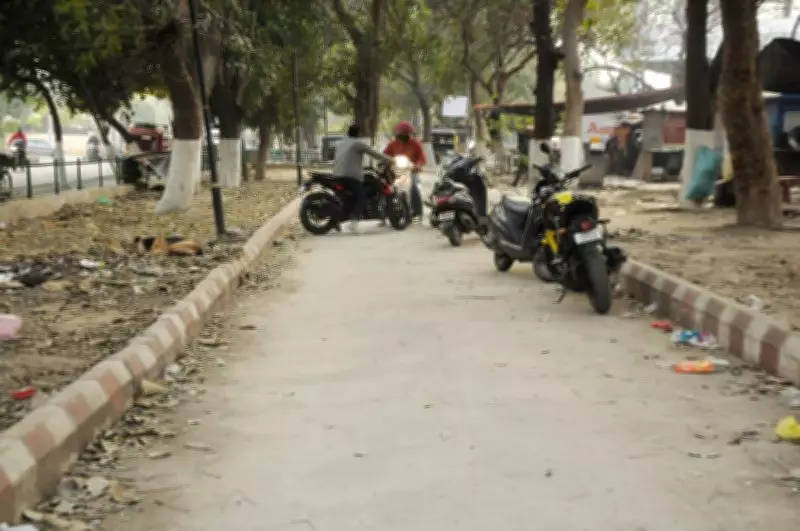
- Encroachments and debris blocking sections of the track.
- Minimal public awareness about its existence and usage.
Public and Official Reactions
Local citizens have expressed frustration over the waste of taxpayer money, with many calling for accountability from the authorities involved. "It's disheartening to see such a large investment go to waste while basic amenities in the city remain neglected," said a resident of Amritsar.
Officials from the municipal corporation have acknowledged the problems but cited challenges in implementation and coordination. They have promised to review the project and take corrective measures, though no concrete timeline has been provided for resolving the issues.
Broader Implications for Urban Development
This incident highlights a recurring problem in urban infrastructure projects across India, where funds are often allocated without adequate feasibility studies or post-construction management plans. Experts argue that such cases undermine public trust and hinder sustainable development goals.
Recommendations for improvement include:
- Conducting thorough need assessments before initiating projects.
- Ensuring community involvement in planning stages.
- Implementing robust maintenance protocols post-construction.
- Regular audits to monitor fund utilization and project outcomes.
As Amritsar grapples with this infrastructure failure, it serves as a cautionary tale for other cities aiming to enhance their public amenities through similar initiatives.