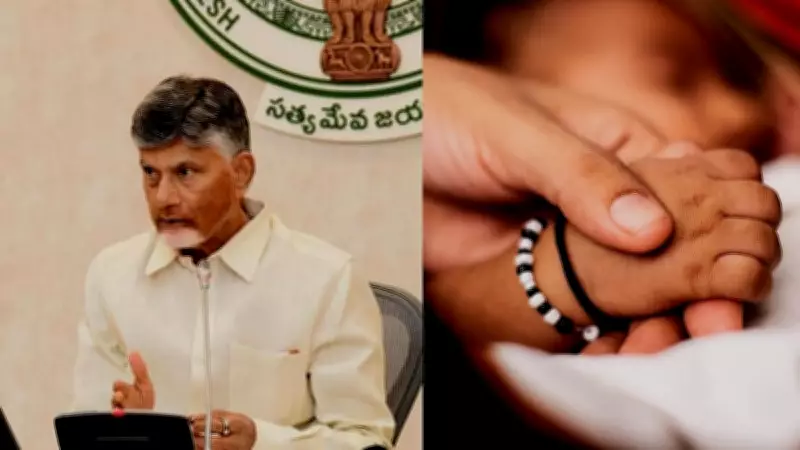
Andhra Pradesh Unveils Rs 25,000 Incentive for Additional Births to Stimulate Population Growth
In a significant move aimed at addressing demographic challenges, the state government of Andhra Pradesh has announced a comprehensive financial incentive program to encourage families to have more children. The initiative, spearheaded by Chief Minister N Chandrababu Naidu, offers a substantial cash reward of Rs 25,000 for every additional birth beyond the first two children in a family. This policy is designed to boost the state's population growth, which has been a concern in recent years due to declining birth rates and aging demographics.
Detailed Benefits for Third and Subsequent Children
Beyond the initial Rs 25,000 payment, the scheme provides a robust package of ongoing support for families with a third child or more. Key benefits include:
- Monthly Nutrition Incentive: Parents will receive an additional Rs 1,000 per month specifically for nutrition, applicable until the child reaches five years of age. This aims to ensure proper health and development during the critical early years.
- Free Education: The state guarantees free education for these children up to the age of 18 in public or residential schools, covering tuition and related expenses to alleviate financial burdens on families.
- Wellness Benefits: Additional wellness perks, such as healthcare support and access to state-run programs, are included to promote overall family well-being and child welfare.
This multi-faceted approach not only addresses immediate financial needs but also invests in long-term human capital development, aligning with broader goals of social and economic progress.
Context and Implications for Andhra Pradesh
The announcement, made on March 5, 2026, comes at a time when many regions in India are grappling with population dynamics, including low fertility rates and an increasing elderly population. Andhra Pradesh, under the leadership of N Chandrababu Naidu, is taking proactive steps to reverse this trend by making child-rearing more affordable and attractive. Experts suggest that such incentives could help stabilize population growth, support labor markets, and enhance social security systems in the long run.
However, the policy has sparked discussions among demographers and policymakers regarding its potential impacts on resource allocation, environmental sustainability, and gender dynamics. While it aims to foster a younger, more vibrant population, careful implementation will be crucial to ensure equitable benefits across all socio-economic groups.
As the scheme rolls out, it will be closely monitored for its effectiveness in achieving desired population targets and improving quality of life for families in Andhra Pradesh.