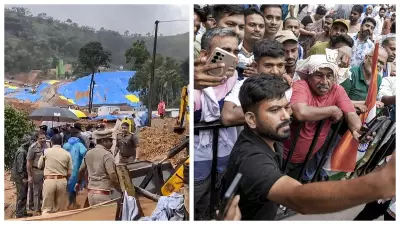
The hill district of West Karbi Anglong in Assam is witnessing a slow return to normalcy, with no fresh incidents of violence reported in the past 40 hours. However, authorities continue to maintain a strict security posture, with the Indian Army deployed and mobile internet services suspended across the region.
Roots of the Unrest: Hunger Strike and Eviction Demands
The current tensions stem from a prolonged hunger strike initiated by hundreds of individuals from the Karbi community on December 6. The protestors are demanding the eviction of what they term as 'illegal settlers' from village grazing reserves and professional grazing reserve forests. These settlers are primarily Hindi-speaking people originating from the states of Bihar and Uttar Pradesh.
The situation escalated dramatically on Monday when the protest turned violent. Agitators set ablaze the residence of Tuliram Ronghang, the Chief Executive Member of the Karbi Anglong Autonomous Council (KAAC), in Kheroni. The KAAC governs the district under the provisions of the Sixth Schedule of the Indian Constitution.

Escalation and Subsequent Control
The violence persisted into Tuesday. Protesters vandalized and set fire to shops and markets in Kheroni. The most severe incident occurred on Tuesday evening when a daily market was torched, and police personnel came under attack. This assault resulted in injuries to more than 60 police officers.
A significant turning point came on Wednesday, following a flag march conducted by the Indian Army. This show of force is credited with bringing the volatile situation under control, leading to the current period of relative calm.
Path to Resolution: Talks and Appeals
In a bid to find a peaceful resolution, a crucial tripartite meeting has been scheduled for Friday in Guwahati. The meeting will be chaired by Assam Chief Minister Himanta Biswa Sarma and will include representatives from the state government, the KAAC, and the agitators.
Meanwhile, Dilip Saikia, the state president of the Bharatiya Janata Party (BJP), has appealed to all residents of West Karbi Anglong, including the Karbi community and others, to cooperate in maintaining law and order. Emphasizing that violence is not a solution, he urged all parties to respond positively to the proposed three-party talks initiated by the state government.
As the district holds its breath, the focus now shifts to the upcoming negotiations, with hopes pinned on a diplomatic solution to the underlying land and identity issues that sparked the conflict.