

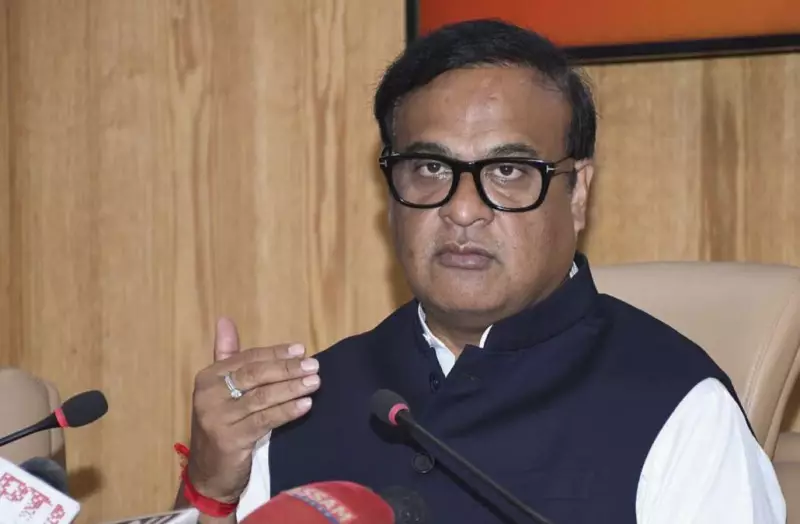
In a landmark decision that could reshape social norms in Northeast India, the Assam cabinet has given its approval to a groundbreaking bill that seeks to completely eliminate the practice of polygamy within the state. The proposed legislation introduces severe penalties for offenders while establishing robust protection mechanisms for victims.
Key Provisions of the Assam Polygamy Ban Bill
The comprehensive legislation, approved during a cabinet meeting chaired by Chief Minister Himanta Biswa Sarma on November 10, 2024, establishes clear legal boundaries around marriage practices. The bill explicitly declares polygamy as an illegal practice throughout Assam, marking a significant departure from existing personal laws that have permitted such arrangements within certain communities.
Under the proposed law, individuals convicted of practicing polygamy face stringent punishment. The legislation mandates imprisonment that may extend up to ten years, coupled with substantial financial penalties. This represents one of the toughest stances against polygamy taken by any Indian state government in recent history.

In a progressive move aimed at supporting those affected, the bill includes provisions for victim compensation. Women who have been subjected to polygamous marriages will be eligible to receive financial compensation from the state government, providing them with economic security as they navigate the legal process.
Legal Framework and Implementation Strategy
The Assam government has taken meticulous legal precautions in drafting this legislation. Prior to the bill's formulation, the state government had constituted an expert committee to examine the constitutional and legal feasibility of banning polygamy. This committee submitted its report confirming that the state legislature possesses the necessary authority to enact such a law.
The proposed law will apply uniformly to all citizens of Assam, regardless of religious affiliation. This universal application addresses concerns about discriminatory implementation while establishing a common civil code principle for marriage regulations within the state.
Legal experts note that the legislation includes provisions for dealing with existing polygamous marriages, though the specific mechanisms for addressing these cases remain under discussion. The government has indicated that implementation will be phased and sensitive to ground realities.
Political Context and Social Implications
Chief Minister Himanta Biswa Sarma has positioned this legislation as a crucial step toward gender justice and women's empowerment. The decision aligns with the Bharatiya Janata Party's longstanding commitment to establishing a Uniform Civil Code across India, with Assam emerging as a pioneering state in this endeavor.
The polygamy ban represents the latest in a series of social reforms initiated by the Assam government. Previous measures have included crackdowns on child marriages and initiatives to modernize the state's educational infrastructure. Political analysts view this move as significant both for its social impact and its potential political ramifications.
Women's rights organizations across Assam have largely welcomed the proposed legislation, noting that polygamy often leaves women economically vulnerable and socially marginalized. However, some community leaders have expressed reservations about the uniform application of marriage laws across religious communities.
The bill is expected to be presented before the Assam Legislative Assembly in the upcoming session, where it will undergo detailed discussion and scrutiny. Given the ruling coalition's majority in the house, the legislation is anticipated to secure passage without significant obstacles.
As Assam prepares to implement this transformative social legislation, all eyes will be on the practical enforcement mechanisms and the broader impact on family structures and women's rights in the region. The success of this initiative could potentially inspire similar reforms in other Indian states grappling with similar social issues.






