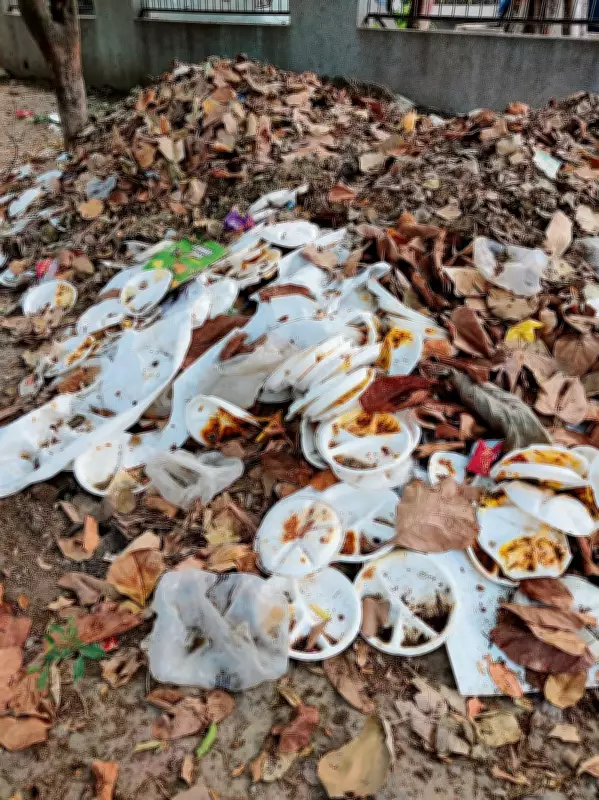
Assembly Polls in Assam, West Bengal Divert Sanitation Workers, Leaving Gurugram and Faridabad in a Stinking Mess
The bustling cities of Gurugram and Faridabad in Haryana are currently grappling with a severe sanitation crisis, as mounting piles of garbage line the streets, emitting foul odors and posing significant health risks. This alarming situation has arisen due to the temporary redeployment of a large number of sanitation workers to election duties in the states of Assam and West Bengal, where assembly polls are underway.
Election Duties Trigger Sanitation Breakdown
Local municipal authorities have confirmed that hundreds of sanitation staff, including sweepers and waste collection personnel, have been reassigned to support the electoral process in the northeastern and eastern regions of India. This diversion has critically depleted the workforce responsible for maintaining cleanliness in Gurugram and Faridabad, leading to a drastic reduction in daily waste collection and street-cleaning operations.
The impact is visibly stark: residential areas, commercial hubs, and public spaces are now littered with uncollected trash, creating an unsanitary environment that residents describe as unbearable. Many neighborhoods report overflowing bins and garbage strewn across roads, with the stench becoming increasingly pervasive, especially in warmer weather conditions.

Public Health Concerns and Civic Outcry
Health experts have raised alarms about the potential for disease outbreaks, citing that accumulated waste can attract pests and breed bacteria, increasing the risk of infections such as dengue and cholera. Residents have expressed frustration over the deteriorating conditions, highlighting that the situation undermines the cities' reputation as modern urban centers.
"We pay taxes for basic services like garbage disposal, but now we're left to deal with this mess because of elections elsewhere," said a local resident from Gurugram. Similar complaints have echoed across Faridabad, where community groups are urging municipal corporations to find immediate solutions to mitigate the crisis.
Municipal Response and Temporary Measures
In response to the growing public outcry, municipal officials in both cities have acknowledged the shortage of sanitation workers and are exploring stopgap measures. These include:
- Prioritizing waste collection in high-density and sensitive areas like hospitals and markets.
- Engaging private contractors on a short-term basis to assist with cleanup efforts.
- Appealing to residents to minimize waste generation and segregate garbage at source to ease the burden.
However, authorities emphasize that a full resolution may only be possible once the election duties conclude and the diverted staff return to their regular posts. The timeline for this remains uncertain, as the assembly polls in Assam and West Bengal are scheduled in phases, potentially prolonging the sanitation disruption.
Broader Implications for Urban Management
This incident sheds light on the vulnerabilities in urban infrastructure and resource allocation during national events. It raises questions about the preparedness of cities to handle such contingencies without compromising essential services. As Gurugram and Faridabad continue to stink, the episode serves as a stark reminder of the interconnectedness of administrative functions and the need for robust backup plans to ensure public health and civic order are not sacrificed.