

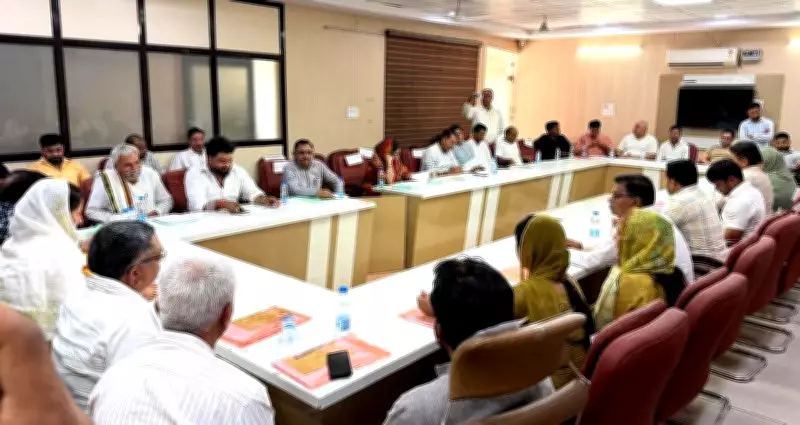
Bahadurgarh Municipal Corporation Fails to Pass Budget for Third Consecutive Time
The Bahadurgarh Municipal Corporation (MC) in Haryana has once again failed to pass its annual budget, marking the third unsuccessful attempt in recent sessions. This repeated failure has sparked significant concerns among residents and officials regarding the city's governance and financial management capabilities.
Repeated Budgetary Failures Raise Alarm
During the latest meeting, the municipal body could not reach a consensus on the proposed budget, leading to its rejection. This follows two previous attempts where similar disagreements among council members prevented approval. The inability to pass a budget hampers essential civic projects and services, potentially affecting infrastructure development, sanitation, and public welfare initiatives in Bahadurgarh.
Sources indicate that political differences and administrative hurdles are primary factors behind the deadlock. Council members from various parties have been unable to agree on fund allocations and priority areas, resulting in prolonged delays. This situation mirrors broader challenges in municipal governance across Haryana, where budget approvals often face obstacles due to partisan politics.

Impact on Local Governance and Services
The failure to pass the budget has immediate and long-term implications for Bahadurgarh. Without an approved financial plan, the MC cannot initiate new projects or allocate resources effectively. This could lead to:
- Delays in infrastructure upgrades such as road repairs and water supply improvements.
- Reduced funding for sanitation and waste management services.
- Stalled development works, impacting the city's growth and resident satisfaction.
Local residents have expressed frustration over the situation, citing a lack of progress in addressing civic issues. Many fear that continued budgetary delays will exacerbate existing problems, from pothole-ridden streets to inadequate public amenities.
Broader Context and Future Steps
This incident is not isolated, as other municipal corporations in Haryana have faced similar challenges in budget approvals. Experts suggest that improved dialogue and bipartisan cooperation are crucial to overcoming such impasses. The Bahadurgarh MC is expected to reconvene soon for another attempt, with hopes of resolving differences to pass a budget that addresses the city's needs.
In the meantime, the state government may need to intervene to ensure that essential services are not disrupted. The repeated failures highlight the need for structural reforms in municipal financial planning and governance processes to prevent future deadlocks.






