Political Controversy Erupts in West Bengal Over 104-Year-Old Voter's Status
A significant political row has erupted in West Bengal following the placement of a 104-year-old man under the 'adjudication category' in the state's electoral rolls. The incident has sparked widespread debate and criticism from various political factions, raising concerns about electoral integrity and the rights of elderly voters.
Details of the Controversial Case
Sheikh Ibrahim, a resident of Jamalpur gram panchayat in Purba Bardhaman district, has expressed deep frustration over this development. In a statement, he emphasized that he has participated in every single election since India's first general polls after Independence, which took place in 1951-52. Ibrahim recounted his decades-long voting history, noting that he had never encountered such an issue before, making this experience particularly distressing for him and his family.
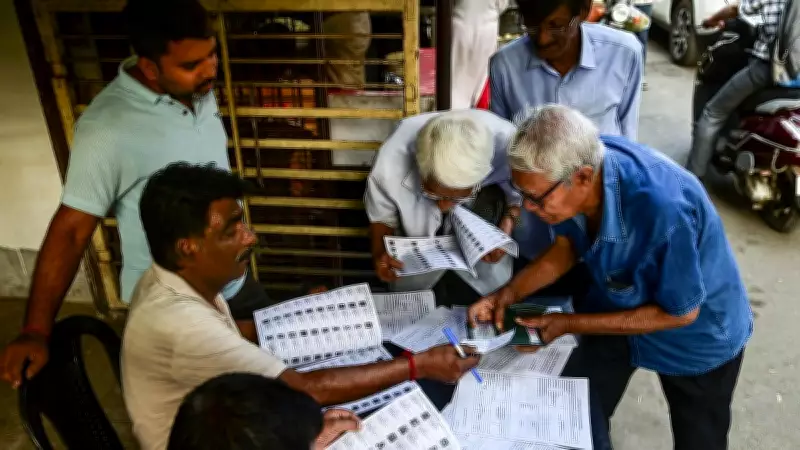
The 'adjudication category' typically refers to a status where a voter's eligibility is under review or dispute, often requiring additional verification before they can cast their ballot. This classification has led to accusations of potential voter suppression and administrative negligence, with critics arguing that it unfairly targets long-standing, legitimate voters like Ibrahim.

Political Reactions and Broader Implications
The case has quickly become a focal point in West Bengal's volatile political landscape. Opposition parties have seized upon the incident to criticize the ruling administration and the Election Commission, alleging systemic failures in the electoral process. They claim that such actions could disenfranchise vulnerable populations, including the elderly, and undermine democratic principles.
In response, officials have stated that the categorization was part of routine electoral roll revisions aimed at ensuring accuracy and preventing fraud. However, they have faced mounting pressure to provide a clear explanation and rectify the situation promptly. The controversy highlights ongoing challenges in maintaining up-to-date and fair electoral records, especially in regions with complex demographic and political dynamics.
Historical Context and Voting Legacy
Sheikh Ibrahim's voting journey began with India's inaugural general election, a landmark event in the nation's democratic history. His consistent participation over more than seven decades symbolizes the enduring commitment of many Indians to the electoral process. This makes his current predicament not just a personal grievance but a matter of symbolic importance, reflecting broader issues of voter rights and administrative efficiency.
As the situation unfolds, stakeholders are calling for transparent investigations and swift resolutions to restore confidence in the electoral system. The outcome could set precedents for how similar cases are handled in the future, potentially influencing policies on voter registration and verification across India.