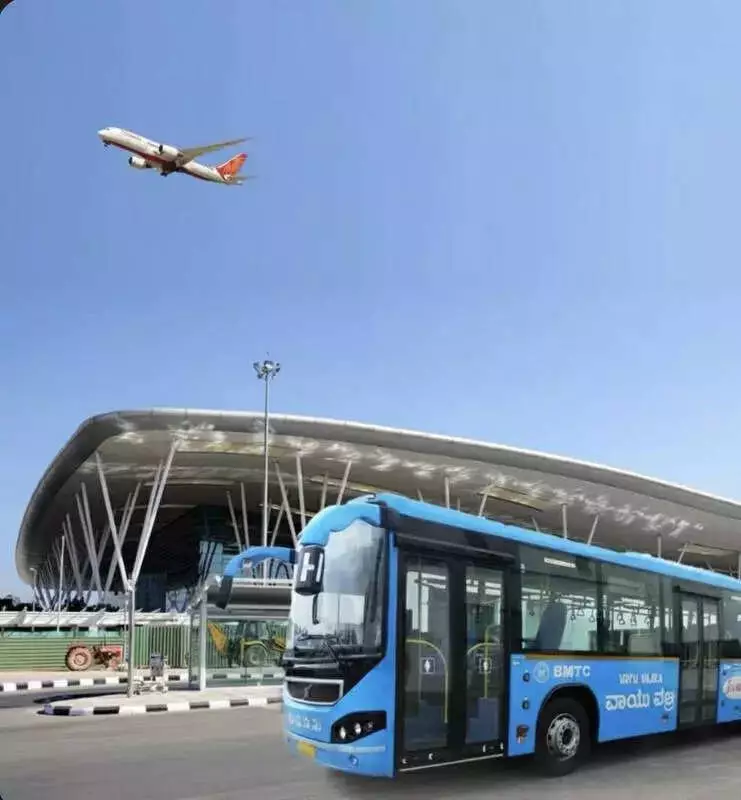
Bangalore International Airport Limited (BIAL) is embroiled in a fresh controversy, this time for significantly reducing the operational space for the state-run BMTC's popular Vayu Vajra airport bus services at Terminal 1. The move has drawn strong criticism from Karnataka's Transport Minister, Ramalinga Reddy, who has deemed the action unacceptable.
Minister's Stern Warning to Airport Authorities
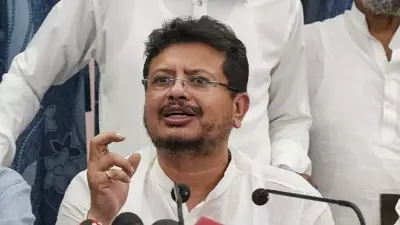
During a visit to Kempegowda International Airport (KIA) on Wednesday, Transport Minister Ramalinga Reddy came down heavily on the airport operator. He made it unequivocally clear that the removal of an entire row of bus bays reserved for BMTC was "just not acceptable." Reddy emphasized that handing over space meant for public transport to private firms goes against public interest and stated he would escalate the matter with the chief secretary.
How the Space Reduction Impacts Commuters and Revenue
For 17 years, BMTC's economical, 24/7 AC Vayu Vajra buses have been the sole dedicated public transport link between Bengaluru city and the airport, located 35 km away. Previously, BMTC had two rows with eight bus bays each at T1, ensuring smooth operations for the service that caters to a massive 80% domestic passenger ridership.

Recently, BIAL removed one complete row of these bus bays and reassigned the area to private taxi aggregators, despite the Karnataka government holding a 13% stake in the airport. BMTC officials revealed they had made multiple representations to BIAL over the last few weeks, but no corrective action was taken.
The consequences have been severe. BMTC estimates the loss of the bus row has led to a drop of over 1,000 passengers per day, translating to a daily revenue loss of Rs 3 to 4 lakh. A senior official explained that with fewer bays, buses are forced to depart early to avoid congestion. This increased wait time for the next bus prompts many flyers to opt for cabs instead, despite the stark price difference: Vayu Vajra fares range from Rs 210-410, while a cab ride costs Rs 1,000 or more.
BIAL's Defence and Broader Parking Issues
When contacted, a BIAL spokesperson stated that a spacious bus terminus was built at the new Terminal 2 (T2) with adequate bays for BMTC, and that the bays at T1 are now marked only as pickup points. This justification, however, does little to address the immediate inconvenience at T1, which handles the bulk of domestic traffic.
Minister Reddy also criticized BIAL's recent handling of pre-booked taxi pickup points. He pointed out that the new pickup location is nearly 1 km away from the arrival area, causing significant hardship for elderly passengers, those with children, and travellers with luggage. He asserted that the shuttle services provided by BIAL do not fully solve the problem and directed airport authorities to streamline the parking system.
This incident highlights a critical tension at one of India's busiest airports. As authorities face pressure to manage congestion and generate commercial revenue, the essential role of affordable, high-occupancy public transport in easing traffic on Ballari Road appears to be getting compromised. The reduction of bus space stands in ironic contrast to the global push for encouraging sustainable public transit options.