A large-scale demolition drive targeting illegal constructions in Bengaluru has ignited a fierce political battle in Karnataka. The evictions, carried out by the Bruhat Bengaluru Mahanagara Palike (BBMP), have drawn sharp criticism from the opposition Bharatiya Janata Party (BJP) and Janata Dal (Secular), who have accused the Congress-led state government of employing "bulldozer justice." Chief Minister Siddaramaiah has firmly rejected these allegations.
The Eviction Drive and Political Backlash
On Tuesday, BBMP authorities demolished several structures, including shops and buildings, in areas like Koramangala and other parts of the city. The civic body stated the action was against properties built illegally on stormwater drains (rajakaluves) and on government land, following the directives of the Karnataka High Court.
However, the move was swiftly politicized. Leaders from the BJP and JD(S) launched a scathing attack on the Siddaramaiah government. They alleged that the demolition drive was selectively targeted and politically motivated, comparing it to the controversial "bulldozer" actions seen in some BJP-ruled states. Former Chief Minister and BJP leader Basavaraj Bommai accused the government of hypocrisy, claiming it was now using the same methods it had previously condemned.
Siddaramaiah's Firm Rebuttal
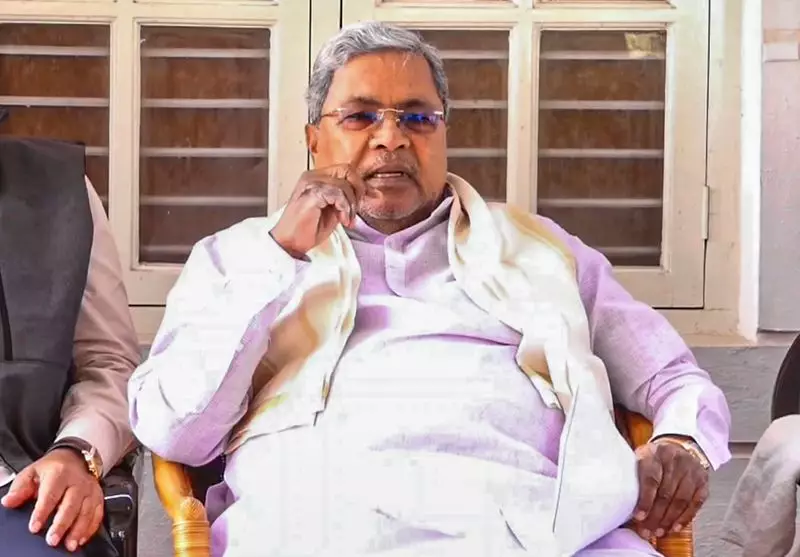
Chief Minister Siddaramaiah categorically denied the charges of "bulldozer justice." He clarified that the demolitions were not a unilateral government action but were being executed based on court orders. "We are not using bulldozers for justice. The BBMP is acting based on the High Court's direction to clear encroachments," Siddaramaiah asserted.
He emphasized that his administration was merely following the rule of law and implementing judicial mandates to protect the city's drainage system, which is crucial to prevent flooding. The Chief Minister turned the tables on the BJP, reminding them that many of the encroachments in question had occurred during their tenure in power.
Legal Mandate and the Human Cost
The legal backdrop for the drive stems from the Karnataka High Court's ongoing monitoring of encroachment removal on stormwater drains. The court has been pushing for action to restore the natural flow of waterways to mitigate Bengaluru's chronic flooding issues.
While the government cites legal compliance, the evictions have resulted in significant hardship for the affected residents and business owners. The visual of demolished structures has fueled public debate on the balance between urban planning, legal enforcement, and the humanitarian impact of such sudden actions.
A Deepening Political Fault Line
This incident has rapidly evolved into a major political flashpoint. The opposition's strategy is to paint the Congress government as anti-poor and authoritarian, while the ruling party is positioning itself as a lawful executor of judicial directives. The debate has shifted focus from urban management to political one-upmanship.
The key players in the clash include:
- Chief Minister Siddaramaiah and the Congress government, defending the drive as lawful.
- The BJP, led by figures like Basavaraj Bommai, accusing the government of vindictive politics.
- The JD(S), joining the criticism to challenge the Congress's narrative.
- The Karnataka High Court, whose orders form the legal basis for the BBMP's actions.
As the war of words intensifies, the Bengaluru evictions have become a potent symbol in Karnataka's volatile political landscape. The outcome of this clash could influence public perception ahead of future electoral battles, with both sides digging in for a prolonged confrontation over governance, legality, and social justice.