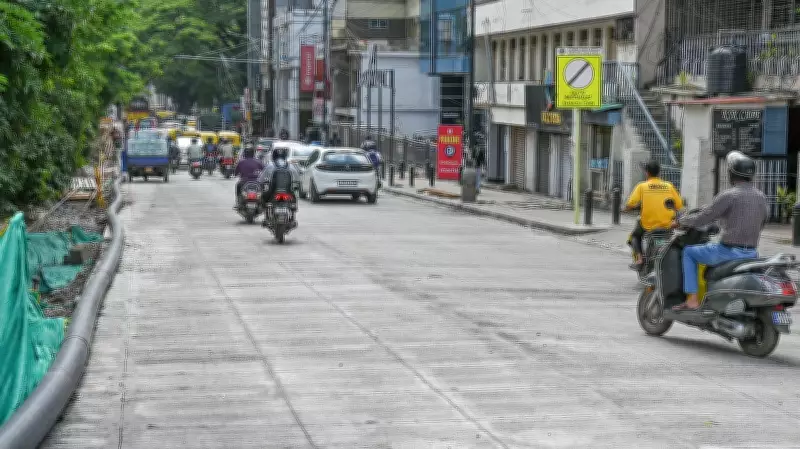
Bengaluru to Expand White-Topped Roads for Enhanced Urban Infrastructure
The city of Bengaluru is poised for a significant upgrade in its road infrastructure, with plans to expand the network of white-topped roads. This initiative aims to address long-standing issues related to road quality, durability, and maintenance in one of India's fastest-growing metropolitan areas.
What Are White-Topped Roads?
White-topped roads refer to concrete-surfaced pavements that are known for their superior strength and longevity compared to traditional asphalt roads. These roads are constructed using a layer of concrete, which provides a smooth and durable surface capable of withstanding heavy traffic and adverse weather conditions.
The primary advantages of white-topping include reduced maintenance requirements, enhanced load-bearing capacity, and improved safety for commuters. Additionally, these roads contribute to better drainage and reduced waterlogging, which is a common problem in Bengaluru during the monsoon season.
Current Status and Future Plans
Bengaluru already has several white-topped roads in key areas, and the new expansion plans are set to cover additional stretches across the city. The project is being spearheaded by the Bruhat Bengaluru Mahanagara Palike (BBMP), the city's municipal corporation, in collaboration with other government agencies.
The expansion is expected to focus on high-traffic corridors, residential zones, and commercial hubs to ensure maximum benefit for residents and businesses. By increasing the number of white-topped roads, authorities aim to create a more resilient and efficient transportation network that can support the city's growing population and economic activities.
Benefits for Bengaluru
The move to expand white-topped roads is driven by several key benefits:
- Durability: Concrete roads have a longer lifespan, often lasting up to 30 years with minimal repairs, compared to asphalt roads that require frequent maintenance.
- Cost-Effectiveness: Although the initial construction cost is higher, white-topped roads reduce long-term expenses by lowering maintenance and repair needs.
- Traffic Efficiency: Smooth surfaces lead to better vehicle movement, reducing travel time and fuel consumption for commuters.
- Environmental Impact: Improved drainage helps mitigate flooding, and the reflective surface can reduce urban heat island effects.
This infrastructure upgrade is part of broader efforts to enhance Bengaluru's urban livability and support sustainable development. As the city continues to expand, such initiatives are crucial for maintaining quality of life and economic growth.
Challenges and Implementation
While the expansion of white-topped roads offers numerous advantages, it also presents challenges. These include the need for careful planning to minimize disruption during construction, coordination with utility services, and ensuring adequate funding. The BBMP is working to address these issues through phased implementation and stakeholder engagement.
Residents and commuters are encouraged to stay informed about project timelines and potential traffic diversions as the work progresses. The success of this initiative will depend on effective execution and public cooperation.
In summary, Bengaluru's push to expand white-topped roads represents a forward-thinking approach to urban infrastructure. By investing in durable and efficient roadways, the city is taking steps to improve mobility, reduce costs, and enhance overall urban resilience for years to come.