Long Queues Plague Bengaluru Gas Agencies as Doorstep Cylinder Delivery Grinds to a Halt
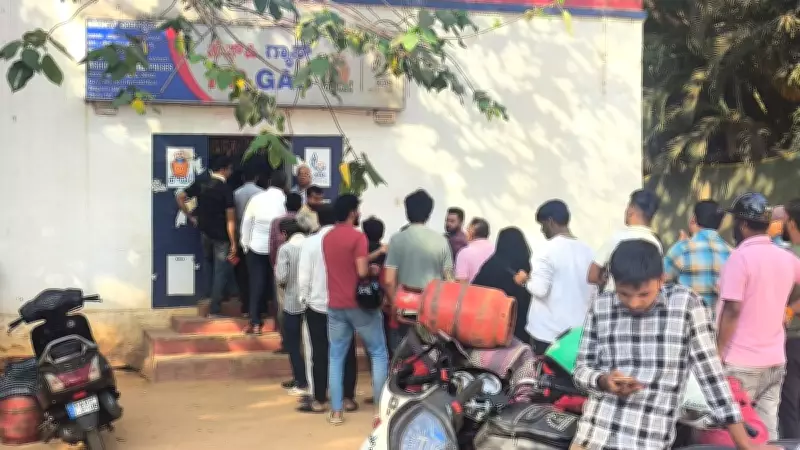
Residents across Bengaluru are grappling with significant inconvenience as long queues have formed at local gas agencies. This situation has arisen due to a stall in the doorstep delivery of LPG cylinders, forcing consumers to personally visit distribution centers to collect their essential cooking fuel.
Supply Chain Disruption Leads to Widespread Inconvenience
The disruption in the delivery system has created a ripple effect, impacting households and businesses alike. Many agencies report being overwhelmed by the sudden influx of customers, with wait times stretching for hours. This has particularly affected elderly individuals and those without easy access to transportation, who rely heavily on the doorstep service for their regular cylinder refills.
Key factors contributing to the delivery stall include logistical challenges and potential staffing shortages at the agency level. Some sources suggest that maintenance issues or procedural delays might be hampering the smooth operation of the delivery network. As a result, the usual seamless process of cylinder drop-off at homes has been interrupted, pushing the burden onto consumers.

Consumer Frustration Mounts Amidst Operational Hiccups
Consumers have expressed frustration over the lack of timely communication regarding the delivery issues. Many were caught off guard, expecting their cylinders to arrive as scheduled, only to find themselves scrambling to make alternative arrangements. The queues at agencies have become a common sight in various neighborhoods, with people often waiting in the heat or rain to secure their LPG supply.
This incident underscores the critical role of reliable doorstep delivery in urban settings like Bengaluru, where such services are integral to daily life. The city's dependence on LPG for cooking means any disruption can lead to immediate and tangible hardships for its residents.
Agencies Scramble to Manage the Surge in Demand
Gas agency staff are working extended hours to manage the increased footfall, but the sheer volume of customers has strained their capacity. Some agencies have implemented token systems or designated time slots to organize the queues more efficiently, yet delays persist. The situation has also sparked concerns about safety, as crowded agency premises could pose risks, especially during peak hours.
Authorities and agency operators are reportedly assessing the root causes of the delivery stall to implement corrective measures. Efforts are underway to restore normalcy, but in the interim, consumers are advised to plan ahead and anticipate possible delays in cylinder availability.
This episode highlights the vulnerabilities in the supply chain for essential commodities and the need for robust contingency plans to prevent such disruptions in the future. As Bengaluru continues to grow, ensuring the resilience of services like LPG delivery becomes increasingly important for urban livability.