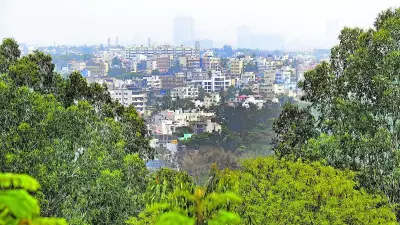
Bengaluru's new high-rise building proposals have left birders and conservationists concerned about the further loss of species such as bats, whose populations are already in decline. The proposed changes to building regulations would allow taller structures across the city, potentially encroaching on green spaces and migratory corridors vital for urban wildlife.
Impact on Avian and Bat Populations
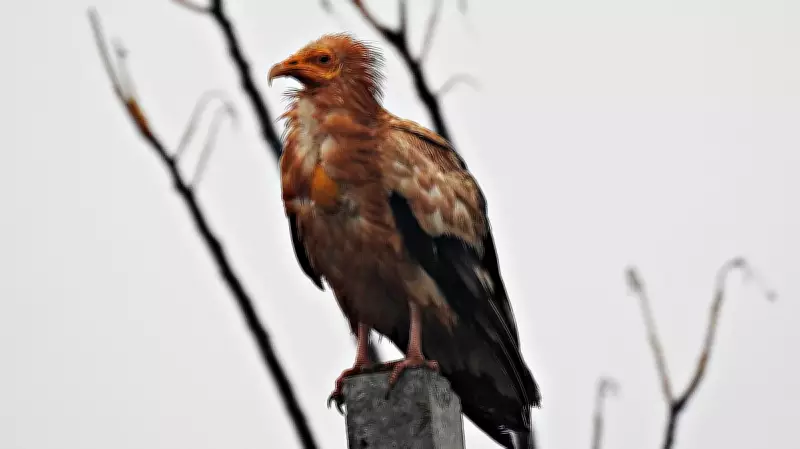
Birders argue that high-rise developments disrupt the natural habitats of many bird species, including the Indian swiftlet, house sparrow, and black kite. The loss of old trees and water bodies, often cleared for construction, reduces nesting and foraging sites. Bats, particularly the Indian flying fox, are also at risk as their roosting trees are removed or disturbed by construction activity and light pollution.
According to a 2025 study by the Bangalore Environment Trust, bat populations in the city have declined by 40% over the past decade, primarily due to habitat loss and fragmentation. Birders fear that the new high-rise norms could accelerate this trend.

Proposed Regulations and Reactions
The Karnataka government's draft master plan 2031 proposes increasing the floor area ratio (FAR) and building height limits in several zones, especially along major roads and near Metro corridors. This is intended to accommodate Bengaluru's growing population and reduce urban sprawl. However, environmental groups have criticized the plan for lacking a comprehensive environmental impact assessment.
"The city's biodiversity is already under severe stress. Allowing more high-rises without adequate green cover and wildlife corridors will be disastrous for birds and bats," said Dr. Meena Kumar, an ornithologist at the Indian Institute of Science. "We need a balanced approach that includes mandatory green roofs, tree preservation, and buffer zones around lakes."
Call for Sustainable Urban Planning
Birders and conservationists are urging the government to incorporate wildlife-friendly measures into the building regulations. Suggestions include requiring developers to plant native trees, install bird-safe glass, and maintain corridors for bats. The Bangalore Birders Collective has submitted a petition with over 5,000 signatures to the Karnataka Urban Development Department, demanding a review of the proposals.
"We are not against development, but it must be sustainable. High-rises can coexist with nature if planned properly," said Ravi Shetty, a member of the collective. The petition also calls for a biodiversity audit before any new high-rise project is approved.
The state government has yet to respond to the concerns. The final master plan is expected to be notified later this year, after public consultations.