BJP Leader Issues Apology Over Golden Temple Posters Controversy
A Bharatiya Janata Party (BJP) leader in Amritsar has publicly apologized after posters depicting the revered Golden Temple were discovered pasted at inappropriate and unsuitable locations, leading to widespread criticism and demands for greater respect towards the holy shrine. The incident has ignited a debate about the proper use of religious imagery in political and public spaces, with many expressing outrage over the perceived disrespect.
Details of the Controversial Posters
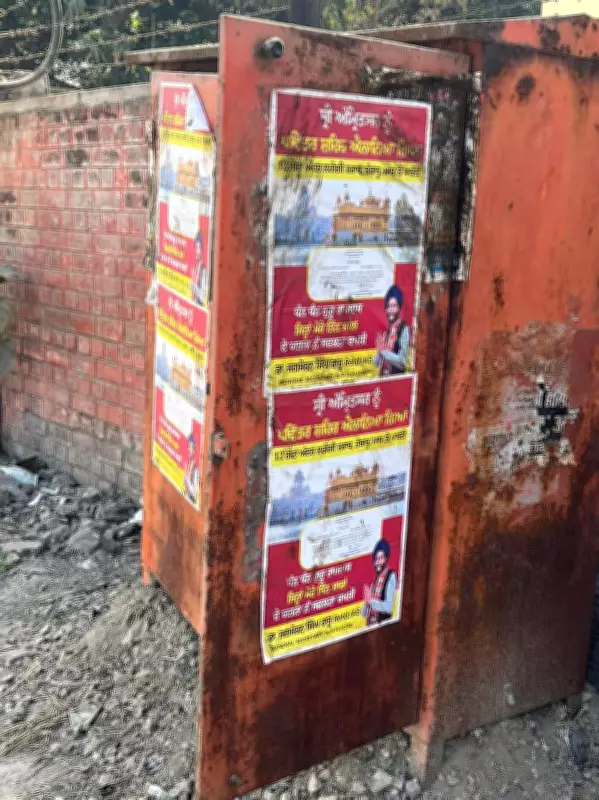
The posters, which prominently featured images of the Golden Temple, were found affixed in areas deemed inappropriate by local residents and community leaders. Specific locations have not been disclosed in full detail, but reports indicate they included spots near garbage dumps, on dilapidated walls, and in other neglected public spaces. This placement was seen as highly offensive, given the Golden Temple's status as one of Sikhism's most sacred sites and a symbol of spiritual significance for millions worldwide.
Upon discovery, the posters quickly drew condemnation from various quarters, including religious groups, political opponents, and the general public. Many took to social media and local gatherings to voice their displeasure, arguing that such actions undermine the sanctity of the Golden Temple and show a lack of cultural sensitivity. The backlash was swift and intense, with calls for accountability and immediate removal of the posters.
BJP Leader's Response and Apology
In response to the growing controversy, the BJP leader involved issued a formal apology, expressing regret for the oversight and acknowledging the inappropriateness of the poster placements. The leader stated that the intention was never to disrespect the Golden Temple or hurt the sentiments of the Sikh community, attributing the incident to a lack of proper oversight by the party workers responsible for the poster campaign.
The apology emphasized a commitment to ensuring such mistakes do not recur, with promises to implement stricter guidelines for future publicity materials involving religious symbols. The leader also assured that all offending posters have been removed and steps are being taken to educate party members on cultural and religious sensitivities. This move aims to mend relations with the affected community and prevent similar incidents in the future.
Broader Implications and Reactions
The incident has sparked a broader discussion on the use of religious imagery in Indian politics, particularly in a diverse and multi-faith society like India. Experts and commentators have highlighted the need for political parties to exercise caution and respect when incorporating religious symbols into their campaigns, to avoid alienating communities and fueling tensions.
Local reactions have been mixed, with some accepting the apology as a step in the right direction, while others demand more concrete actions, such as public awareness campaigns or penalties for those responsible. The controversy underscores the delicate balance between political expression and religious reverence, a challenge that often surfaces during election seasons or public events.
As the situation unfolds, authorities are monitoring to ensure compliance with the apology's promises and to prevent any escalation. The incident serves as a reminder of the importance of cultural sensitivity in public discourse, especially in a city like Amritsar, which holds deep religious significance for many.