

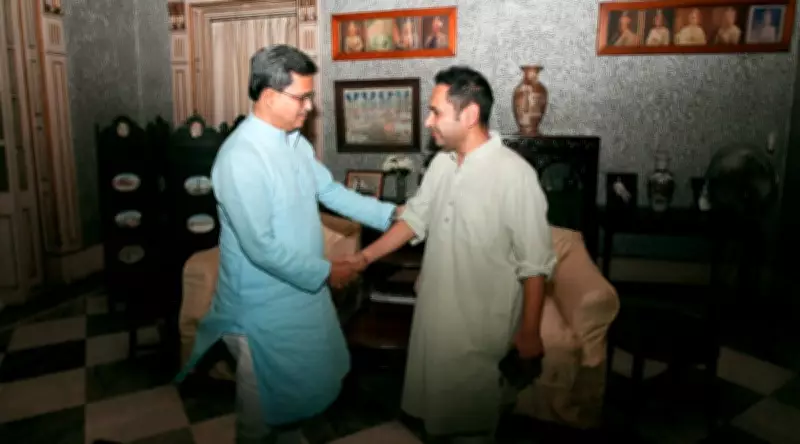
Tripura's Ruling Coalition in Crisis: Kokborok Script Dispute Fuels BJP-TIPRA Motha Standoff
As elections for the Tripura Tribal Areas Autonomous District Council (TTAADC) approach within two months, the ruling alliance in Tripura is showing deep cracks. The Bharatiya Janata Party (BJP) and its partner TIPRA Motha are locked in a tense standoff, primarily over the official script for the Kokborok language, alongside simmering frustrations regarding the implementation of the Tiprasa Accord. This conflict threatens to destabilize the coalition just ahead of critical tribal polls.
Key Flashpoints: Script Debate and Accord Delays
The debate over Kokborok's script has emerged as a central issue. Kokborok, recognized as an official language of Tripura since 1979, is spoken by many of the state's 19 tribal communities. TIPRA Motha advocates for the Roman script, arguing it is essential for educational access and cultural preservation. In contrast, Chief Minister Manik Saha of the BJP has publicly rejected Roman script, suggesting alternatives like Devanagari or a new indigenous script, citing concerns over foreign influence on indigenous culture.
This disagreement has intensified close to the TTAADC elections, scheduled by April 18, with political mobilization already underway. The TTAADC, covering nearly 70% of Tripura's area and home to most of its tribal population, holds significant sway over state politics, including 20 Assembly seats reserved for Scheduled Tribes.

Simultaneously, tensions are fueled by delays in implementing the Tiprasa Accord, signed in March 2024 between TIPRA Motha, the Union government, and the Tripura government. The accord promised solutions on land rights, language recognition, and socio-economic development for tribals within six months, but progress has been slow, limited to meetings and committee formations, echoing past unfulfilled agreements.
Historical Context and Political Implications
Kokborok's script issue has a long history, with language commissions in 1990, 1997, and 2004 recommending Roman script. However, recent pushes for Devanagari, including advocacy by Union Home Minister Amit Shah in 2024, have sparked protests from tribal activists who argue script choice should rest with language speakers. The debate has practical implications, such as demands for Roman script in Tripura Board of Secondary Education (TBSE) exams, which Chief Minister Saha rejected in January, further escalating tensions.
Politically, the alliance has been strained for months. Incidents include attacks on BJP supporters, accusations of worker poaching, and a statewide strike by TIPRA Motha in October that led to violence. TIPRA Motha, which swept the 2021 TTAADC elections with 18 of 28 seats, has warned of withdrawing support over accord delays, though it later retracted such statements. The BJP, meanwhile, plans to contest all TTAADC seats independently, indicating the alliance is limited to the state level.
Broader Reactions and Future Outlook
Other political actors have weighed in on the script issue. The Indigenous Peoples Front of Tripura (IPFT), another BJP ally, condemned Chief Minister Saha's remarks, supporting the Roman script demand as representative of tribal sentiment. The Opposition CPI(M) has also backed Roman script, questioning the logic of opposing it while promoting English-medium education. Language expert Naresh Chandra Debbarma offered a nuanced perspective, supporting Bengali script but noting Kokborok could use multiple scripts if phonological needs are met.
As the TTAADC elections near, the standoff between BJP and TIPRA Motha highlights broader challenges in Tripura's tribal politics. With both parties digging in on the Kokborok script and accord implementation, the ruling coalition's future remains uncertain, potentially impacting tribal representation and governance in the state.






