As the high-stakes elections for the Brihanmumbai Municipal Corporation (BMC) and 28 other municipal corporations across Maharashtra approach on January 15, the Bharatiya Janata Party (BJP) has crafted a sharp, two-pronged electoral strategy. The party aims to counter the reunited Thackeray brothers' focus on Marathi identity and minority outreach by aggressively championing a hardline Hindutva agenda alongside a development plank.
The Thackeray Challenge and BJP's Counter-Template
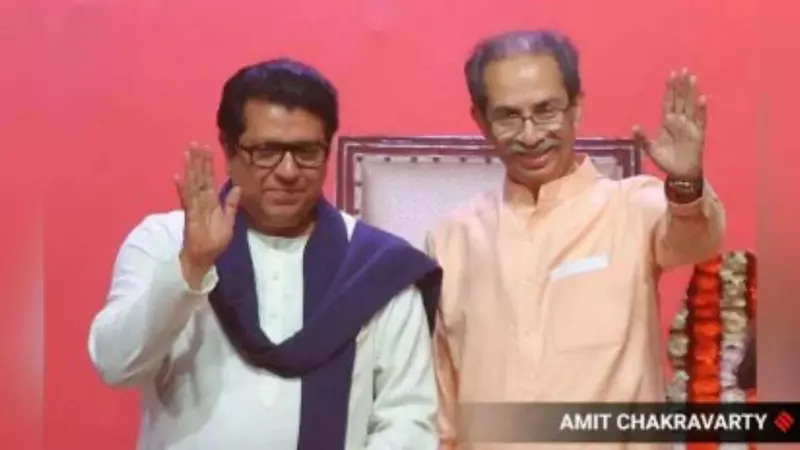
The political landscape in Mumbai was significantly altered by the coming together of Uddhav Thackeray of the Shiv Sena (UBT) and Raj Thackeray of the Maharashtra Navnirman Sena (MNS). This alliance seeks to consolidate the Marathi-speaking vote bank across the city. Furthermore, the Shiv Sena (UBT) has been actively reaching out to Muslim voters, creating a potential Marathi-Muslim electoral combination that the BJP views as its primary challenge.
To dismantle this front, the BJP has prepared a campaign template designed for sharp, polarizing attacks. The party plans to deploy firebrand campaigners like Uttar Pradesh Chief Minister Yogi Adityanath and Maharashtra Minister Nitesh Rane, known for his controversial remarks. This move signals the BJP's intent to not just campaign, but to dominate the narrative with a shrill, ideological pitch.
Hindutva as the Core Electoral Weapon
The BJP's reliance on Hindutva is calculated to serve a dual purpose. Firstly, the party believes it will catalyze a sharp polarization between Hindu and Muslim voters. With Muslim votes likely to consolidate behind the Maha Vikas Aghadi (MVA) and the Thackeray-led parties, the BJP aims to achieve a counter-consolidation of the Hindu electorate. Secondly, the party sees Hindutva as a proven, overarching ideology that can effectively neutralize caste and community-based politics often prevalent in civic body elections.
This strategy is already visible in the party's rhetoric and posters. Chief Minister Devendra Fadnavis, positioned as the leader who can seamlessly blend Hindutva with development, set the tone. He accused opponents of burying Bal Thackeray's ideology for power and stated, "Our Hindutva is inclusive, overriding caste, creed, and communities. For us, Hindutva is a way of life." In a pointed dig at Raj Thackeray, Fadnavis added, "We don't wear a saffron shawl to appeal to a vote bank."
The party is mobilizing on issues ranging from the Ram Temple to alleged "love jihad," aiming to present a renewed aggressive stance. The induction of former Congress mayor Abdul Rashid Khan into the Shiv Sena (UBT) provided immediate ammunition. Mumbai BJP president Ameet Satam labeled it a sign of Uddhav Thackeray's "desperation" for minority votes, alleging an alliance with those who had once supported Pakistan.
Beyond Ideology: Caste Calculus and Development Promises
While the Hindutva pitch is loud, the BJP is simultaneously executing a meticulous, community-specific outreach plan. To woo the sizeable Marathi population originally from the Konkan region, the party will leverage Nitesh Rane's hardline image. His recent social media post declared, "Only those who speak in the interest of Hindus will rule our Mumbai."
Parallelly, the BJP is making a direct appeal to North Indian and Gujarati communities. Posters with the slogan "batoge tau pitoge (if you are divided, you will be beaten)" warn North Indians to unite behind the BJP against the Thackerays' Marathi assertion. The planned campaign by Yogi Adityanath is strategic, aiming to push Hindutva while solidifying the support of North Indians, who constitute a decisive 20% of Mumbai's population.
Senior leaders like MLA Sanjay Upadhyay balance this by highlighting the development agenda. They point to projects like the coastal road and metro network under Fadnavis's tenure as tangible benefits for all Mumbaikars, irrespective of community. "Our appeal is not restricted to any community or caste or religion," Upadhyay claimed, emphasizing inclusive development even as the party's ground strategy tells a more targeted story.
The Historical Context and Stakes of the Battle
The fight over Hindutva's ownership is deeply personal. The undivided Shiv Sena, under the late Bal Thackeray (Hindu Hriday Samrat), was built on this ideology, forming the bedrock of its long alliance with the BJP. Uddhav Thackeray himself had taken hardline positions supporting the Ram Temple and opposing Bangladeshi immigration.
The rupture came after the 2019 Assembly polls when Uddhav broke the alliance with the BJP, joined hands with the Congress and NCP to form the MVA government, and notably stopped addressing crowds as "maze Hindu bandhav." The BJP now attacks this as a compromise of core ideology for power. Uddhav retorts that his Hindutva is broader and more humane, not confined to rituals.
The BJP's confidence stems from its success in the previous Assembly polls, where polarizing slogans like "batenge tau katenge" (if you divide, you will be cut) worked. The party believes that in the BMC polls, where local identities run deep, a bold Hindutva plank can potentially dilute the Thackerays' hold on the Marathi 'manoos' (son of the soil) vote bank. The outcome on January 15 will test whether development and hardline identity politics can overcome an emotive appeal to regional and community solidarity.