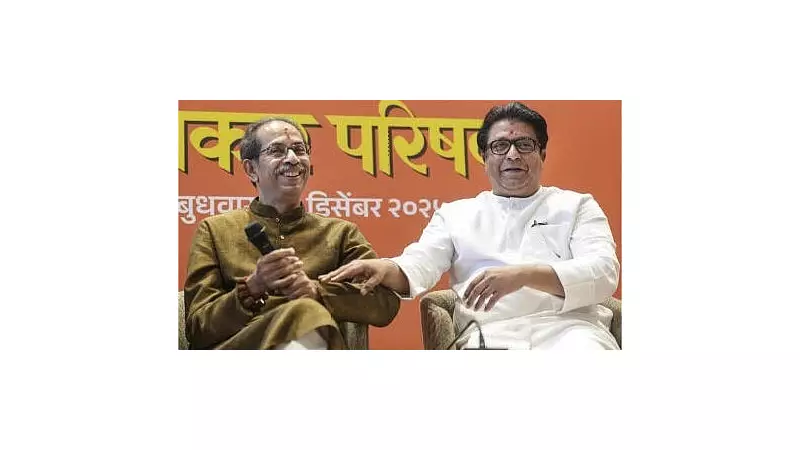
The political landscape in Mumbai is witnessing a tense stalemate as the Shiv Sena (Uddhav Balasaheb Thackeray) and the Maharashtra Navnirman Sena (MNS) have failed to break a deadlock over seat-sharing for the upcoming Brihanmumbai Municipal Corporation (BMC) elections. The impasse revolves around a couple of key wards, threatening the cohesion of the opposition alliance.
Background of the 2017 BMC Election Results
To understand the current friction, one must look back at the last BMC polls held in 2017. At that time, the Shiv Sena was a united entity and emerged as the single largest party. The then undivided Sena secured victories in 84 of the city’s 227 wards. Its then-ally, the Bharatiya Janata Party (BJP), put up a strong fight, winning 82 seats, which set the stage for a fiercely contested political battle for control of India's richest municipal corporation.
The Maharashtra Navnirman Sena (MNS), led by Raj Thackeray, managed to win seven seats in that election. This historical performance forms the backdrop of the current negotiations, with each party weighing its past strengths and future ambitions.

The Current Negotiation Deadlock
The core of the present disagreement lies in the allocation of a specific few wards. Both Shiv Sena (UBT) and the MNS are holding their ground, claiming strong candidacy and grassroots support in these constituencies. The inability to reach a consensus on these seats is causing significant delays in finalizing the alliance's strategy and candidate list.
This deadlock highlights the complex nature of coalition politics in Maharashtra, especially after the split in the original Shiv Sena. For the Uddhav Thackeray-led faction, a smooth alliance with MNS is crucial to consolidate the Marathi vote bank and present a united front against the ruling combine of the BJP and the Eknath Shinde-led Shiv Sena.
Implications for the Upcoming Civic Battle
The persistence of this seat-sharing stalemate has several potential consequences. A prolonged disagreement could weaken the opposition's position, allowing the ruling alliance to capitalize on the disunity. It also risks sending a confusing signal to the electorate on the eve of the critical polls.
Furthermore, the BMC elections are not just about local governance; they are a key barometer of political sentiment in Maharashtra. A failure to resolve this issue amicably could have repercussions beyond Mumbai, affecting the broader opposition dynamics in the state. All eyes are now on the top leadership of both parties to break the logjam and forge a pact that maximizes their combined electoral prospects.