Under-Construction Bridge Collapses in Bihar's Gopalganj District
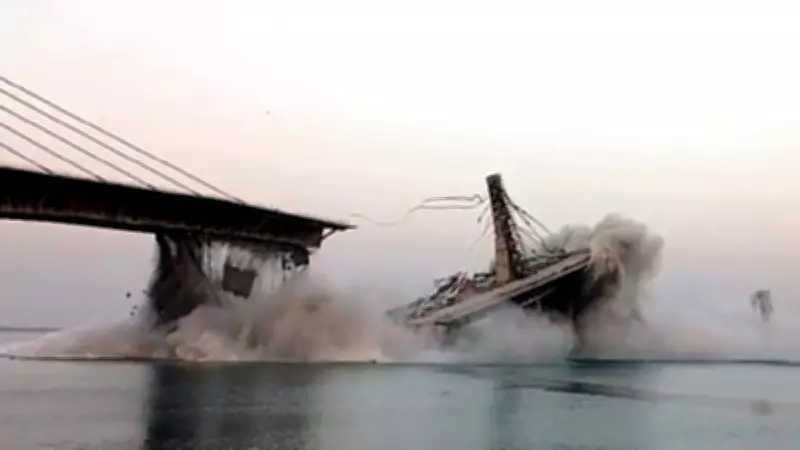
A bridge that was under construction collapsed in Bihar's Gopalganj district, adding to a series of similar incidents that have plagued the state's infrastructure projects. The event occurred recently, causing significant damage to the structure but fortunately resulting in no casualties. This collapse has once again brought to the forefront critical concerns regarding the safety standards and quality control measures in public construction works across Bihar.
Details of the Collapse Incident
The bridge was being built as part of a local development initiative aimed at improving connectivity in the region. According to initial reports, the structure gave way during the construction phase, leading to a partial collapse. Authorities have confirmed that there were no workers or bystanders injured in the incident, which is a relief given the potential for severe harm. However, the material and financial losses are substantial, with the project now facing delays and additional costs for repairs or reconstruction.
Local residents expressed shock and frustration over the collapse, citing it as another example of poor execution in infrastructure projects. Many have raised questions about the materials used and the supervision provided during the construction process. This incident follows a pattern of similar bridge failures in Bihar, where several structures have collapsed in recent years, often attributed to substandard workmanship and inadequate oversight.
Broader Implications for Infrastructure Safety
The collapse in Gopalganj underscores a persistent issue in Bihar's infrastructure development: the gap between project planning and implementation. Experts point out that such incidents are not isolated but reflect systemic problems, including corruption, lack of technical expertise, and failure to adhere to safety protocols. The state government has faced criticism for not taking stronger measures to ensure the durability and safety of public works, especially in rural areas where such projects are crucial for economic growth and daily life.
In response to the collapse, officials have launched an investigation to determine the exact cause. Preliminary assessments suggest that possible factors include design flaws, use of inferior materials, or improper construction techniques. The findings of this probe are awaited, and they will likely influence future policies on infrastructure development in Bihar. Meanwhile, the affected project has been halted, and authorities are assessing the damage to plan the next steps, which may involve rebuilding the bridge from scratch or reinforcing the existing structure.
Historical Context and Recurring Issues
Bihar has witnessed multiple bridge collapses over the past decade, drawing national attention to the state's infrastructure challenges. For instance, in 2023, a bridge in Bhagalpur district collapsed shortly after its inauguration, leading to public outrage and calls for accountability. These incidents highlight a recurring theme of compromised safety standards, often linked to rushed timelines, budget constraints, and political interference in construction projects.
The Gopalganj collapse adds to this troubling history, emphasizing the need for comprehensive reforms. Stakeholders, including engineers, activists, and local communities, are urging the government to implement stricter quality checks, enhance transparency in project execution, and hold responsible parties accountable for failures. Without such measures, the risk of similar incidents remains high, potentially endangering lives and wasting public resources.
As Bihar continues to invest in infrastructure to boost development, ensuring the reliability of these projects is paramount. The collapse in Gopalganj serves as a stark reminder that progress must not come at the cost of safety. Moving forward, it is essential for authorities to prioritize robust construction practices and rigorous oversight to prevent such mishaps and build a more resilient infrastructure network for the state.