Centenarian's Voting Rights in Jeopardy Over Electoral Roll Discrepancy
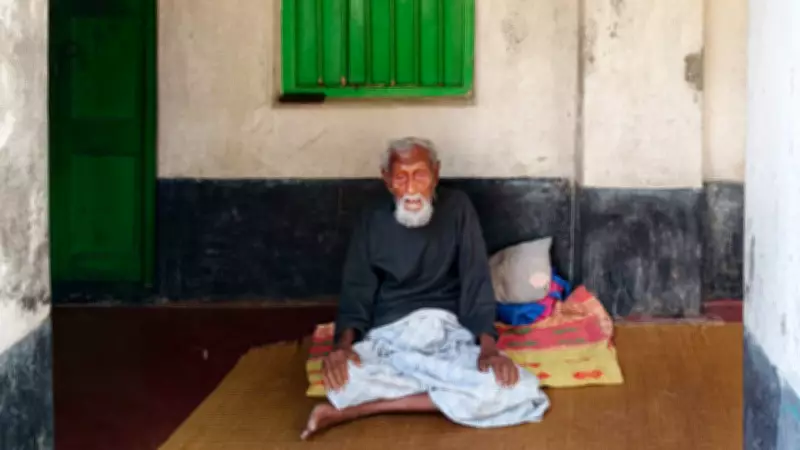
In a poignant turn of events, Sk Ibrahim, a 104-year-old resident of Majh Para in the Jamalpur block of East Burdwan, has been thrust into a bureaucratic quandary that threatens to strip him of his fundamental democratic right. His name has been categorized as "under adjudication" on Bengal's final voters' list, published on February 28, due to a minor discrepancy in his name across electoral records.
"Is it a crime to live beyond 100 years?" Ibrahim retorted upon learning of his status, expressing deep frustration over the situation. Having cast his vote in every election since India's Independence, this development marks a stark departure from his lifelong civic engagement.
Root of the Controversy: A Simple Name Mix-Up
The issue stems from a clerical inconsistency: on the 2002 voters' list, he was registered as Sk Ibrahim, whereas the 2025 roll lists him as Ibrahim Sk. This reversal prompted electoral authorities to issue a notice, requiring him to appear for a hearing to resolve the discrepancy.

However, due to his advanced age and limited mobility, Ibrahim was unable to travel to the designated center with the necessary documents. In response, a joint electoral registration officer conducted a home visit to facilitate the hearing. Despite this effort, the matter remains unresolved, leaving Ibrahim's voting fate in limbo.
Now, the outcome hinges on a judicial officer's scrutiny of his documents, a process that has left Ibrahim and his family in anxious anticipation. "EC officials called on me and spoke with my family members. They verified all documents, but my name is still under adjudication. It is very disappointing, especially after voting in every election," he shared from his son Amjad's single-storey home.
Administrative Response and Historical Reflections
Jamalpur BDO Partha Sarathi Dey stated, "The administration is reviewing the matter," indicating ongoing efforts to address the case. Ibrahim, who lives with his six children in neighboring homes at Majh Para village, takes turns staying with each of them, maintaining strong family ties.
Despite the current ordeal, Ibrahim's spirit remains undimmed, especially when recalling historical milestones. His eyes light up as he speaks animatedly about Mahatma Gandhi's "karenge ya marenge (Do or die)" slogan during the 1942 Quit India movement. With a sharp memory that belies his age, he vividly recounts witnessing pivotal moments in Indian history.
He worked at a bedding shop near the Jorasanko Thakurbari in Kolkata during the Bengali year 1342 (1935-36), immersing himself in events linked to the freedom struggle. "As a boy, I saw the Howrah bridge come up (construction from 1936 to 1942). There used to be a pontoon bridge earlier. Independence came a few years later. I have seen lots of ups and downs, including the Partition, famine, riots, and war," he reminisced, keeping history alive through his personal experiences.
Broader Implications for Elderly Voters
This case highlights potential challenges faced by elderly voters in navigating electoral processes, particularly when bureaucratic hurdles arise from minor errors. As the scrutiny continues, it underscores the need for sensitivity and efficiency in handling such matters to ensure that long-standing voters like Ibrahim are not disenfranchised due to administrative oversights.
Ibrahim's journey from witnessing the construction of iconic infrastructure to facing a modern electoral dilemma encapsulates a lifetime of change, yet his commitment to democracy remains unwavering. The resolution of his case will not only determine his voting rights but also serve as a testament to the inclusivity of India's electoral system.