

Chandigarh Municipal Corporation Takes Unprecedented Step Against Property Tax Defaulters
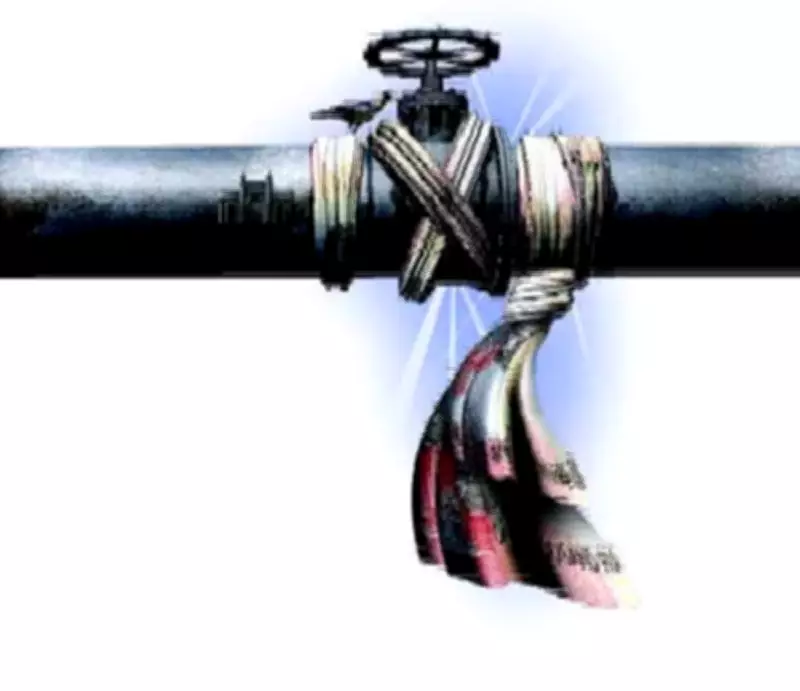
In a landmark enforcement action, the Chandigarh Municipal Corporation has initiated stringent measures against residential property tax defaulters by issuing 102 water disconnection notices. This marks the first instance where the civic body has employed water supply disconnection as a recovery mechanism for unpaid property taxes in the residential category.
A New Enforcement Model for Revenue Recovery
Officials from the Municipal Corporation have expressed confidence that this aggressive approach will lead to substantial revenue recovery. Many of the targeted property owners have reportedly neglected tax payments for several years, despite receiving multiple recovery notices. The authority has been grappling with persistent delays in payments from a segment of residential owners, prompting the adoption of this stricter enforcement model.
The move is strategically timed to ensure compliance ahead of the new financial cycle, officials emphasized. Property tax remains one of the major revenue streams for the municipal corporation, which has been intensifying efforts to improve collection rates.

Legal Framework and Operational Coordination
According to sources within the MC, the Municipal Act permits the sealing of commercial buildings in cases of tax default. However, no such provision exists for residential properties, as homes are considered a basic necessity and cannot be sealed. With this legal limitation, the MC has opted for water supply disconnection after issuing the necessary orders and guidelines.
A senior official confirmed that over 100 notices have been issued for disconnecting water supply to defaulting residential units. The property tax branch has collaborated closely with the public health wing of the engineering department, which is responsible for executing the enforcement on the ground. Senior MC officials are directly monitoring the exercise, receiving regular updates on the actions taken.
Property Tax Landscape in Chandigarh
Chandigarh has approximately 1.42 lakh properties under the property tax ambit. Of these, around 1.12 lakh are residential properties, and about 30,000 are commercial. The city's reliance on property tax as a key revenue source underscores the importance of effective collection strategies.
Record Recovery and Ongoing Efforts
As per MC records, the authority has recovered a record amount of over Rs 85 crore through property tax to date. This includes around Rs 31 crore from residential properties and approximately Rs 54 crore from commercial properties. In addition to the water disconnection notices, the MC has sent over 3,300 recovery notices to both residential and commercial property tax defaulters, warning them to settle their dues or face consequences.
Out of these notices, around 2,000 were directed at residential tax defaulters, and approximately 1,300 were sent to commercial properties. Sources indicate that in some cases involving commercial properties, sealing notices will be served in the coming days, as final recovery notices have already been issued to them.
The Chandigarh Municipal Corporation's unprecedented move to disconnect water supply for residential tax defaulters highlights a shift towards more assertive enforcement measures. This action aims not only to recover overdue revenue but also to foster greater compliance among property owners, ensuring the financial health of the civic body as it navigates the challenges of urban governance.






