

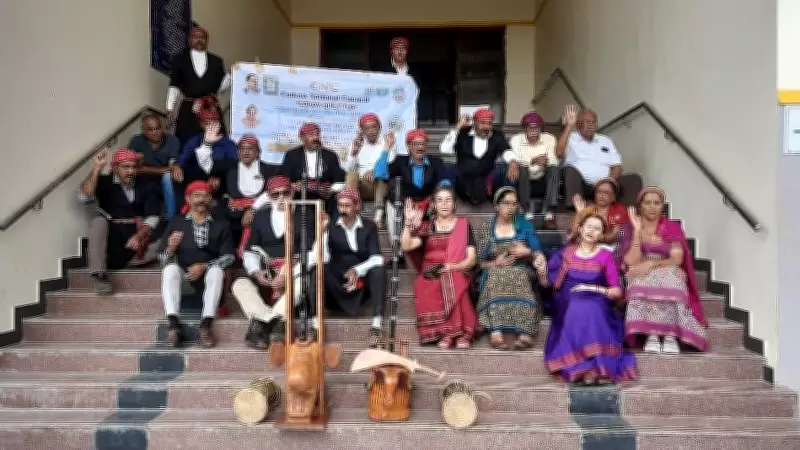
Karnataka's CNC Demands 8th Schedule Inclusion for Kodava Language
The Codava National Council (CNC), a prominent organization representing the Kodava community in Karnataka, has made a significant demand to the state government. They are calling for the inclusion of the Kodava language in the Eighth Schedule of the Indian Constitution. This move aims to secure official recognition and protection for the language, which is spoken by the indigenous Kodava people primarily in the Kodagu district.
Formal Request to State Authorities
In a formal appeal, the CNC has urged the Karnataka government to take proactive steps in advocating for this inclusion at the national level. The council emphasizes that recognizing Kodava in the Eighth Schedule would not only preserve the linguistic heritage but also facilitate its use in education, administration, and legal matters. Currently, the language lacks official status, which limits its development and documentation efforts.
Cultural and Administrative Implications
The demand highlights the cultural significance of the Kodava language, which is integral to the identity of the Kodava community. Inclusion in the Eighth Schedule would grant it constitutional safeguards, similar to other recognized languages like Kannada and Tamil. This could lead to enhanced funding for language programs, inclusion in school curricula, and official use in government communications within Kodagu.

Key points raised by the CNC include:
- Preservation of linguistic diversity in Karnataka and India.
- Addressing the administrative challenges faced by Kodava speakers in official settings.
- Promoting educational opportunities through mother-tongue instruction.
Background on the Eighth Schedule
The Eighth Schedule of the Indian Constitution lists languages that are officially recognized, providing them with certain privileges and support. Currently, it includes 22 languages, such as Hindi, Bengali, and Marathi. Adding Kodava would require an amendment to the Constitution, a process that involves parliamentary approval and often sparks debates on linguistic politics.
The CNC's demand comes amid ongoing discussions about linguistic rights and regional identity in India. Similar movements have been seen for other languages, like Bhojpuri and Tulu, reflecting a broader trend toward recognizing minority languages.
Next Steps and Community Response
The Karnataka government has yet to respond publicly to the CNC's request. If supported, the state would need to forward the proposal to the central government for consideration. Community leaders express hope that this move will strengthen cultural preservation and ensure the Kodava language thrives for future generations.
In summary, the CNC's advocacy for including Kodava in the Eighth Schedule underscores the importance of linguistic rights in India's diverse society. It remains to be seen how state and national authorities will address this demand in the coming months.

