The Tamil Nadu Congress Committee (TNCC) has announced a significant boycott of the 'Equality March' organized by Marumalarchi Dravida Munnetra Kazhagam (MDMK) leader Vaiko. The decision, which highlights a deepening political fissure, was driven by the presence of a photograph of slain Liberation Tigers of Tamil Eelam (LTTE) leader V. Prabhakaran at the event's venue.
Congress Cites Prabhakaran Photo as Reason for Boycott
TNCC president K. Selvaperunthagai made the party's stance clear, stating that the Congress would not be represented at the flag-off ceremony for the march. The central point of contention was the display of Prabhakaran's image, which the Congress found unacceptable. This move underscores the sensitive nature of symbols associated with the LTTE in Tamil Nadu's political landscape and the Congress's attempt to distance itself from any perceived endorsement of the banned militant group.
Stalin's Focus on Drug Trafficking Network
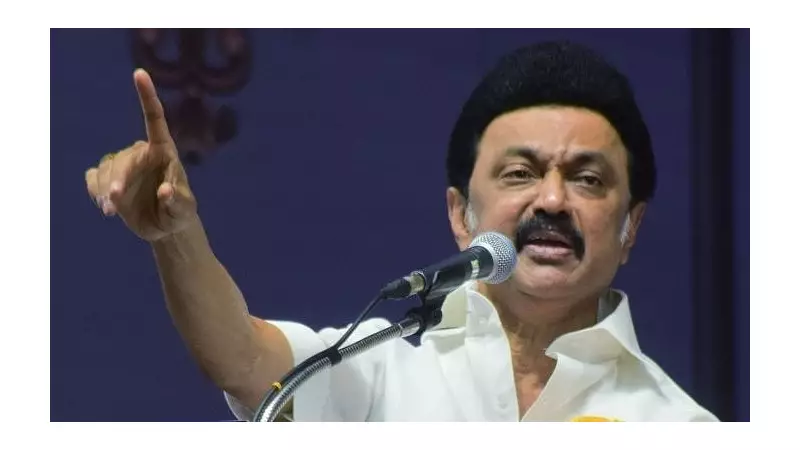
While the Congress boycott unfolded, Tamil Nadu Chief Minister and Dravida Munnetra Kazhagam (DMK) president M.K. Stalin addressed a separate but pressing issue. He called for concerted efforts to eliminate the extensive network of drug trafficking operating within the state. Stalin's emphasis on this social menace signals the state government's priority in tackling organized crime and substance abuse, a topic of major public concern.

Political Repercussions and Future Implications
The incident, dated January 2, 2026, reveals the complex layers of Tamil Nadu politics. The Congress's boycott of an ally's event over a symbolic issue points to potential strains within opposition coordination. Simultaneously, CM Stalin's strong statement on narcotics aims to reinforce his administration's commitment to law and order. The dual narratives of political symbolism and governance challenges are set to influence the state's political discourse in the coming days.
The development marks a clear instance where historical symbolism and contemporary administrative priorities have collided on the same day, shaping public and political reactions.