

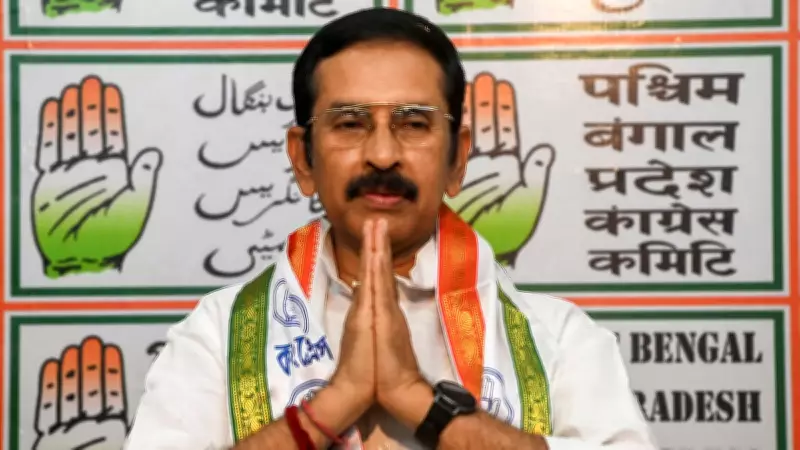
Congress Leader Condemns 'Flawed' Voter List Process in West Bengal Ahead of 2026 Elections
In a significant political development, West Bengal Congress chief Subhankar Sarkar has launched a sharp critique against what he describes as a "flawed" voter list process in the state, asserting that it is actively harming democratic principles. This criticism comes as political parties gear up for the highly anticipated West Bengal Assembly Elections scheduled for 2026.
Allegations of Democratic Erosion
Sarkar emphasized that the Congress party views the integrity of the electoral roll as paramount to a fair and transparent democratic exercise. He stated, "Congress considers it its foremost duty to stand by all eligible voters before participating in the electoral process." This declaration underscores the party's commitment to ensuring that every legitimate voter is included and protected in the voter list, which he claims is currently compromised.
The Congress leader's remarks highlight growing concerns over potential irregularities in the voter registration system, which could disenfranchise citizens and skew election outcomes. By framing this as a duty to uphold democratic values, Sarkar positions the Congress as a guardian of voter rights in the politically charged landscape of West Bengal.

Context of the 2026 Assembly Elections
The West Bengal Assembly Elections in 2026 are expected to be a fiercely contested battle, with major parties like the Trinamool Congress, Bharatiya Janata Party, and Congress vying for dominance. In this context, the voter list process becomes a critical issue, as accurate and inclusive voter rolls are essential for a credible election.
Sarkar's allegations suggest that the current process may be failing to meet these standards, potentially leading to exclusion or errors that could impact voter turnout and representation. This has sparked debates on the need for reforms and greater transparency in electoral preparations.
Political Implications and Future Steps
The Congress party's stance, as articulated by Sarkar, signals a proactive approach to electoral integrity. By prioritizing voter support over mere participation, the party aims to build trust and mobilize its base ahead of the polls. This move could resonate with voters who are concerned about fairness in the democratic process.
As the election date approaches, it remains to be seen how other political actors will respond to these claims and whether electoral authorities will address the alleged flaws. The controversy underscores the broader challenges in maintaining robust democratic systems in India's vibrant political arena.






