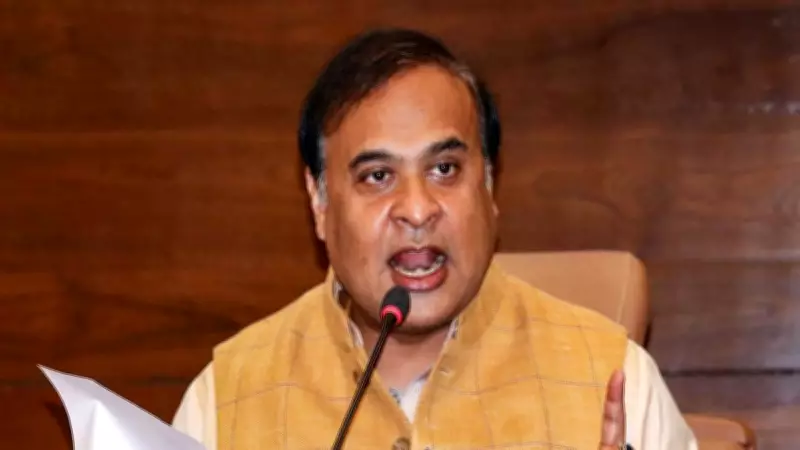
Court Issues Interim Injunction Against Congress Leaders in Assam
A court in Assam has taken decisive legal action by issuing an interim injunction that explicitly bars leaders of the Indian National Congress from making any defamatory statements against the state's Chief Minister, Himanta Biswa Sarma. This judicial order comes in response to a defamation suit filed by Chief Minister Sarma, who alleged that certain Congress leaders had engaged in a sustained campaign of making false and damaging remarks about him, which he claims have severely tarnished his public image and political reputation.
Legal Proceedings and the Defamation Suit
The defamation suit was formally lodged by Chief Minister Himanta Biswa Sarma, who argued that the continuous stream of derogatory comments from Congress representatives constituted a deliberate attempt to undermine his credibility and mislead the public. In his petition, Sarma detailed specific instances where Congress leaders allegedly made unfounded allegations, which he contends are not only baseless but also designed to incite public distrust and hostility towards his administration.
The court, after reviewing the evidence and arguments presented, found sufficient merit in Sarma's claims to grant an interim injunction. This legal measure effectively prohibits Congress leaders from issuing any statements that could be construed as defamatory against the Chief Minister until the case is fully adjudicated. The court emphasized the importance of protecting individual reputations from unwarranted attacks, especially in the politically charged environment of Assam.

Political Reactions and Implications
The court's decision has sparked a flurry of reactions across the political spectrum in Assam. Supporters of Chief Minister Sarma have hailed the injunction as a necessary step to curb malicious politics and uphold the dignity of public office. They argue that such legal interventions are crucial to maintaining decorum in political discourse and preventing the spread of misinformation that can harm governance and public trust.
On the other hand, Congress leaders have expressed strong disapproval, viewing the court order as an attempt to stifle legitimate political criticism and dissent. They contend that the injunction could set a dangerous precedent by limiting free speech and the ability of opposition parties to hold the government accountable. Some Congress representatives have indicated that they may challenge the order in higher courts, asserting their right to criticize government policies and actions without fear of legal repercussions.
Broader Context and Legal Precedents
This case is situated within a broader context of increasing legal actions against defamation in Indian politics, where public figures frequently resort to courts to address perceived slurs and false accusations. Defamation laws in India, under sections 499 and 500 of the Indian Penal Code, provide for criminal liability for statements that harm a person's reputation, with penalties including imprisonment or fines. The interim injunction in this instance highlights the judiciary's role in balancing the right to free expression with the protection of individual reputations, particularly for high-profile political leaders.
Legal experts note that such injunctions are not uncommon in defamation cases, especially when there is a prima facie case of potential harm. However, they also caution that these orders must be carefully crafted to avoid infringing on constitutional rights to free speech. The ongoing case in Assam will likely be closely watched for its implications on political communication and the boundaries of acceptable criticism in a democratic society.
Potential Outcomes and Future Developments
As the legal proceedings continue, several potential outcomes could emerge. If the court ultimately rules in favor of Chief Minister Sarma, it may impose permanent restrictions on Congress leaders or award damages for the alleged defamation. Conversely, if the court finds the statements to be within the bounds of fair criticism, it could lift the injunction and reinforce the importance of robust political debate.

In the meantime, the interim injunction is expected to have an immediate impact on political rhetoric in Assam, potentially cooling down heated exchanges between the ruling party and the opposition. Observers suggest that this case may encourage other political figures to seek legal recourse against defamatory remarks, leading to a more litigious political environment. The outcome could also influence similar cases across India, shaping how courts handle defamation suits involving public officials.
Overall, this court order underscores the ongoing tensions between political expression and reputation rights in Assam's dynamic political landscape, with significant ramifications for both local governance and national political practices.