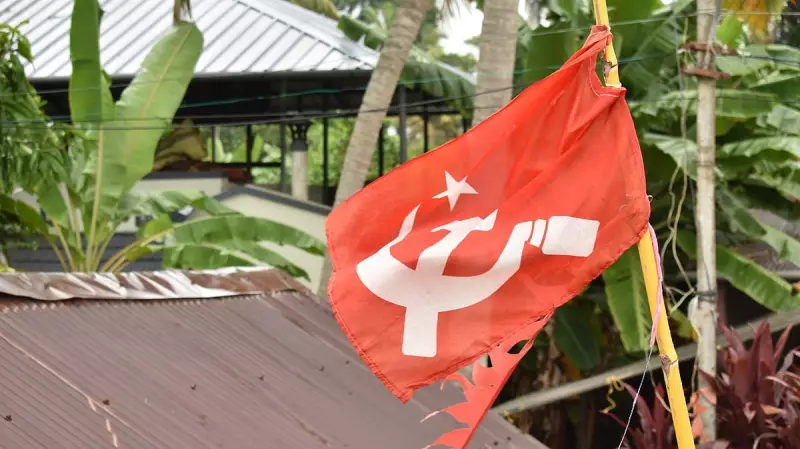
A recent attempt by the Communist Party of India (Marxist) to legally suppress a popular parody song has backfired dramatically in Kerala, providing unexpected momentum to the opposition Congress party's campaign during the recent Lok Sabha elections.
The Viral Anthem That Rattled the CPM
The song in question, performed by vocalist Danish and produced by Subair Pandalloor and Haneefa Mudikkode, started as a satirical piece but quickly evolved into a potent political tool. Its catchy tune and critical lyrics resonated with a section of the electorate, capturing the public's mood. During the heated election campaign, the Congress party recognized its potential and effectively adopted and promoted the track as part of its strategy to counter the ruling CPM.
The Gag Order That Boomeranged
Instead of letting the song fade, the CPM's decision to pursue legal avenues to silence it became a major strategic misstep. The move was perceived by many as an overreach and an attempt to stifle free expression, drawing immediate public backlash and media scrutiny. This action inadvertently amplified the song's reach and message, granting it a level of publicity that organic circulation alone might not have achieved. The controversy transformed the parody from a mere campaign element into a symbol of resistance against perceived authoritarian tendencies.

Political Repercussions and Fallout
The episode, dated 21 December 2025, has highlighted the changing dynamics of political campaigning in India, where digital content and social media virality can significantly impact traditional politics. The CPM's gag attempt allowed the Congress to frame the narrative around democratic values and the right to critique, potentially swaying undecided voters. This incident serves as a cautionary tale for political parties about the risks of engaging directly with satirical content, which can often thrive on the oxygen of publicity provided by such reactions.
The fallout underscores a key lesson: in today's digital age, efforts to censor viral political humor can spectacularly misfire, strengthening the opponent's campaign and damaging one's own public image. The song, initially a minor irritant, was elevated to a central election issue solely due to the party's decision to challenge it formally.