Davangere South Election: Nepo Kid vs Hamali's Son in High-Stakes Battle
The political landscape of Davangere South has been dramatically reshaped following the passing of veteran Congress leader Shamanur Shivashankarappa, creating a unique electoral contest that pits a political dynasty against grassroots representation.
Political Vacuum Creates Opportunity
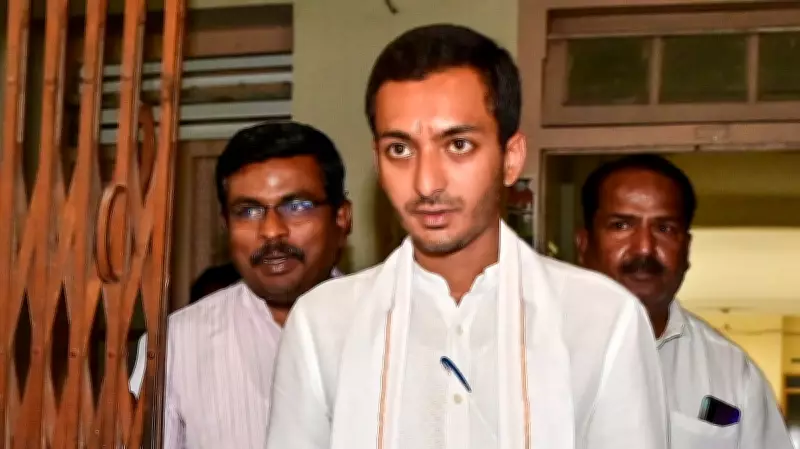
The demise of Shamanur Shivashankarappa, a towering figure in Karnataka politics, has left a significant void in Davangere South's political arena. This unexpected development has opened up a crucial opportunity for 27-year-old Samarth, who represents the third generation of the influential Shamanur family.
Samarth's emergence as a candidate marks a continuation of the family's political legacy, with his grandfather having established deep roots in the region through decades of public service and political maneuvering.

Contrasting Backgrounds Define Campaign
The election has taken on a distinctive character with the entry of a challenger who identifies as the son of a hamali (porter), creating a stark contrast between political privilege and humble beginnings. This dynamic has framed the contest as a battle between established political inheritance and aspirational representation from working-class backgrounds.
Political analysts note that this matchup highlights broader tensions within Indian politics between dynastic succession and meritocratic advancement, with Davangere South serving as a microcosm of these national debates.
Strategic Implications for Congress
The Congress party faces a delicate balancing act in Davangere South, needing to maintain the support base built by Shamanur Shivashankarappa while addressing concerns about political dynasties. Samarth's candidacy represents both continuity and potential vulnerability, as younger voters increasingly question traditional power structures.
Meanwhile, the opposition candidate's background as the son of a hamali has resonated with segments of the electorate seeking representatives who understand everyday economic struggles, creating an unpredictable electoral environment.
Regional Political Dynamics
Davangere South's election carries significance beyond the constituency itself, potentially influencing political calculations across Karnataka. The outcome could signal shifting voter preferences regarding political representation and social mobility in the state.
With campaigning expected to intensify in coming weeks, both candidates are preparing to highlight their contrasting narratives: one of political legacy and institutional knowledge versus one of personal struggle and direct connection to common citizens.
The election results will provide important insights into whether traditional political families can maintain their dominance or if new voices from modest backgrounds can successfully challenge established power structures in contemporary Indian democracy.