Dharwad District Braces for Severe Summer Water Crisis Affecting 90 Villages
District authorities in Dharwad have issued a stark warning about an impending drinking water shortage that is expected to impact as many as 90 villages across the region during the critical summer months of March, April, and May. The alert was raised during a comprehensive review meeting of the District Disaster Management Authority, which was chaired by Deputy Commissioner Snehal R.
Forecasted Heatwave Exacerbates Water Scarcity Concerns
Officials highlighted that rising summer temperatures, as forecast by the India Meteorological Department, are anticipated to significantly worsen water availability throughout the district. This meteorological prediction has made advance planning absolutely critical for the administration. Beyond the immediate concern for human consumption, authorities are also proactively preparing to prevent potential fodder shortages for livestock, recognizing the interconnected nature of rural resource management.
Detailed Breakdown of Affected Taluks and Villages
Data meticulously presented by the rural drinking water supply department reveals the widespread nature of the expected shortage. The crisis is projected to affect multiple taluks with varying severity:

- Dharwad Taluk: 30 villages
- Hubballi Taluk: 19 villages
- Kalaghatagi Taluk: 16 villages
- Kundgol Taluk: 9 villages
- Alnavar Taluk: 4 villages
- Navalgund Taluk: 7 villages
- Annigeri Taluk: 5 villages
Proactive Measures and Emergency Response Already Underway
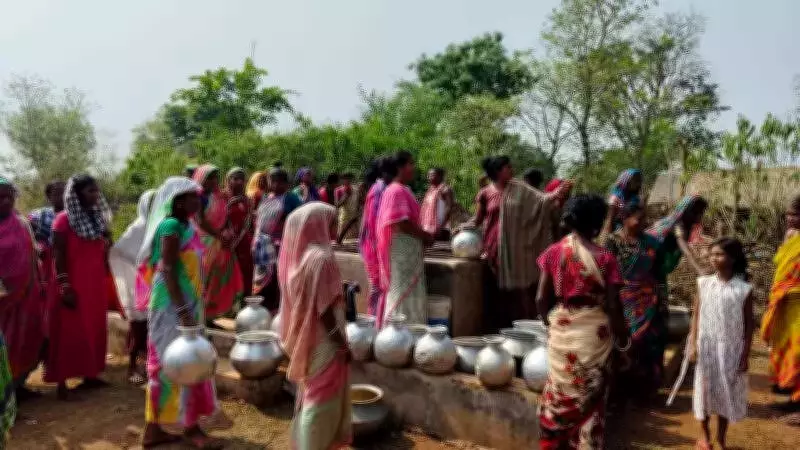
To confront this looming crisis head-on, district authorities have already identified 186 private borewells and successfully secured consent from their owners to supply water on a rental basis if the situation demands it. Emergency water supply through these rented borewells has already commenced in several villages, including Hosatti, Mandihal, and Managundi in Dharwad taluk, as well as Noolvi village in Hubballi taluk. This early activation serves as a clear indicator of the mounting stress on local water resources.
Zilla Panchayat officials are closely monitoring 60 tanks that supply water to 160 villages across Navalgund, Annigeri, Hubballi, and Kundgol taluks. In a positive development, 40 of these crucial tanks have already been filled using canal water, while several others are reported to hold more than 75% of their capacity, providing a measure of temporary relief.
Urban Water Management and Fodder Preparedness
Simultaneously, the Hubballi-Dharwad Municipal Corporation (HDMC) is implementing strict regulations on urban water supply across its 82 wards to prevent wastage and ensure equitable distribution. HDMC Commissioner Rudresh Ghali provided a detailed schedule:
- 13 wards receive 24-hour water supply under a continuous scheme.
- 25 wards receive water daily.
- 8 wards receive water once every three days.
- 9 wards receive water once every four days.
- 8 wards receive water once every five days.
- 12 wards receive water once every six days.
- 5 wards receive water once a week.
- 2 wards receive water once every eight days.
In a parallel preparedness effort, district authorities have stockpiled sufficient fodder to last nearly 28 weeks. Furthermore, they are planning extensive public awareness campaigns focused on water conservation, heat safety, and disease prevention, especially with temperatures expected to soar between 35°C and 40°C during April and May.
Call for Coordinated Action to Mitigate Summer Hardship
Officials have emphatically stressed that coordinated action across all government departments, coupled with early and decisive intervention, will be the key to ensuring that vulnerable villages do not face severe hardship this summer. The multi-pronged strategy—encompassing emergency borewells, tank monitoring, urban regulation, fodder stocks, and public education—aims to build resilience against the forecasted water scarcity and extreme heat.