D.K. Shivakumar Defines His Political Struggle as a 'Street Fighter' for Public Welfare
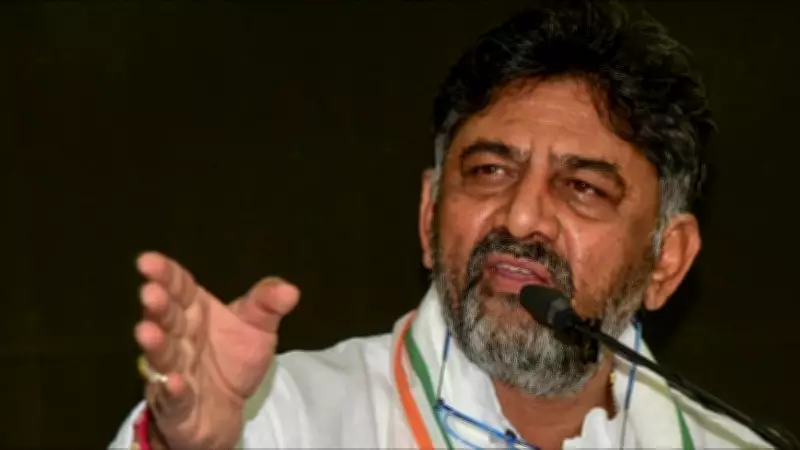
In a recent declaration that has captured attention across Karnataka, Deputy Chief Minister D.K. Shivakumar has openly described himself as a 'street fighter.' However, he was quick to clarify that his relentless political battle is not driven by a quest for personal power or authority. Instead, Shivakumar emphasized that his fight is fundamentally rooted in serving the people and addressing their needs, positioning his efforts as a broader struggle for societal welfare and development.
Shivakumar's Political Philosophy: Service Over Power
Shivakumar, a prominent figure in Karnataka's political landscape, elaborated on his self-proclaimed identity as a street fighter by highlighting his hands-on approach to governance and public engagement. He stated that his political journey has always been characterized by direct interaction with citizens, tackling grassroots issues, and advocating for the marginalized. This philosophy, he argued, sets him apart from politicians who might prioritize power accumulation over genuine public service.
The deputy chief minister underscored that his battles in the political arena are aimed at securing resources, implementing policies, and driving initiatives that benefit the common people. He pointed to his track record in various roles, including his tenure as a minister and his current position, as evidence of his commitment to transformative change rather than mere political maneuvering.
Context and Implications in Karnataka Politics
This statement comes at a time when Karnataka's political environment is highly dynamic, with ongoing debates about leadership, governance, and party dynamics. Shivakumar's remarks can be seen as a strategic positioning to reinforce his image as a leader dedicated to public welfare, potentially distinguishing him from rivals within and outside his party.
Analysts suggest that by framing himself as a street fighter focused on people-centric issues, Shivakumar aims to bolster his credibility among voters and strengthen his political base. This approach aligns with broader trends in Indian politics where leaders increasingly emphasize grassroots connectivity and service-oriented narratives.
Key Aspects of Shivakumar's 'Street Fighter' Identity
- Grassroots Engagement: Shivakumar highlighted his frequent visits to villages and towns, where he engages directly with citizens to understand their challenges.
- Advocacy for Development: He emphasized his role in pushing for infrastructure projects, social welfare schemes, and economic initiatives that uplift communities.
- Resilience in Adversity: Reflecting on past political and legal challenges, Shivakumar portrayed his street fighter persona as one of resilience and determination in the face of obstacles.
- Focus on Inclusivity: He stressed that his fight extends to ensuring equitable development across Karnataka, including remote and underserved regions.
In conclusion, D.K. Shivakumar's portrayal of himself as a street fighter dedicated to public welfare rather than power offers a nuanced perspective on his political ethos. As Karnataka navigates complex governance issues, his statements may influence public perception and political discourse, reinforcing the idea that effective leadership requires a deep connection to the people's needs.