DMK-Congress Alliance Finalizes Seat-Sharing Formula for Tamil Nadu Assembly Elections
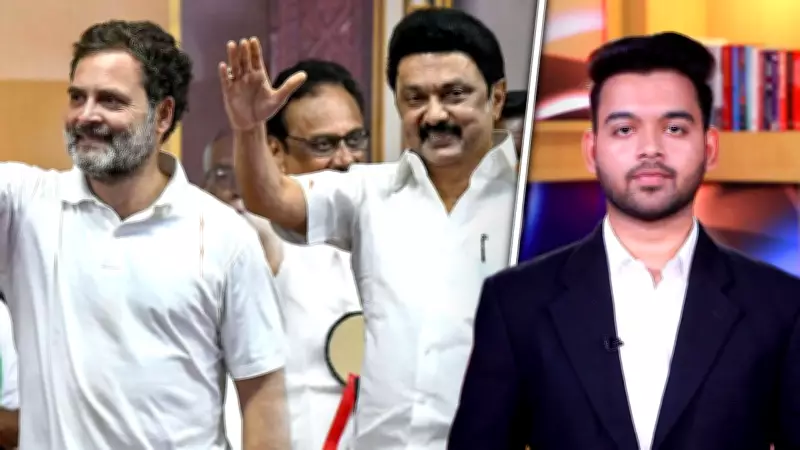
After weeks of intense and often contentious negotiations, the Congress party has successfully reached a crucial seat-sharing agreement with its ally, the Dravida Munnetra Kazhagam (DMK), for the upcoming Tamil Nadu Assembly elections. This development marks a significant step in solidifying the opposition alliance as the state gears up for a pivotal electoral contest.
Details of the Final Agreement
Under the finalized arrangement, the Congress party will contest 28 seats in the Tamil Nadu Assembly. This represents an increase from the 25 seats the party contested during the 2021 elections, indicating a modest gain in its bargaining position within the alliance framework. Additionally, Congress has secured one Rajya Sabha seat as part of the deal, bolstering its representation in the upper house of Parliament.
Negotiation Challenges and Mediation
The negotiation process was far from smooth, with initial demands from the Congress party creating considerable tension. Congress had originally pushed for a more substantial share, including 34 Assembly seats, an additional Rajya Sabha berth, and a formal role in power-sharing within the state government. These demands were firmly rejected by Tamil Nadu Chief Minister and DMK president MK Stalin, who maintained a consistent stance that the coalition government model is not viable for Tamil Nadu's political landscape.
The impasse led to public expressions of discontent from several Congress leaders, threatening the stability of the alliance. To resolve the deadlock, senior Congress leader P Chidambaram intervened as a mediator. His direct discussions with Chief Minister Stalin proved instrumental in bridging differences and finalizing the terms of the agreement. The finalized deal subsequently received official approval from Congress president Mallikarjun Kharge, ensuring internal party consensus.
Political Context and Emerging Dynamics
This seat-sharing agreement emerges against a backdrop of evolving political dynamics in Tamil Nadu. A notable factor is the recent entry of actor Vijay's new political party, Tamilaga Vettri Kazhagam, which has garnered significant attention and could influence voter sentiment in the state. The presence of new political entities adds an element of unpredictability to the electoral environment, potentially impacting traditional alliance calculations.
Strategic Implications for the Upcoming Elections
With the seat-sharing formula now firmly locked in, the DMK-Congress alliance can shift its focus entirely to campaign mobilization and voter outreach. The ruling DMK, led by Chief Minister Stalin, is aiming to secure a second consecutive term in power, a goal that hinges on effective alliance coordination and robust electoral performance. The agreement eliminates a major source of internal discord, allowing the partners to present a united front as they contest the elections.
The finalization of this deal underscores the importance of strategic compromise in coalition politics, setting the stage for a highly competitive electoral battle in Tamil Nadu.