DMK-CPM Seat-Sharing Talks Remain Inconclusive After Multiple Rounds
In Chennai, the seat-sharing discussions between the Dravida Munnetra Kazhagam (DMK) and the Communist Party of India (Marxist) (CPM) have failed to reach a conclusion even after three rounds of negotiations. The primary sticking point is CPM's firm demand for a greater number of seats compared to what it contested in the 2021 Tamil Nadu assembly election.
CPM Stands Firm on Increased Seat Allocation
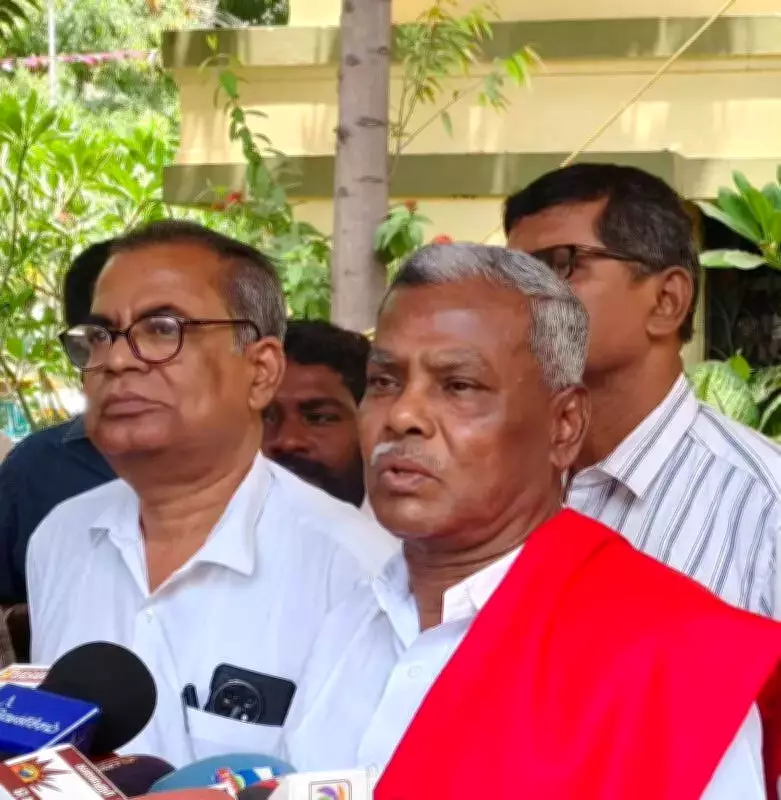
Speaking to reporters following the latest talks with the DMK panel on Tuesday, CPM state secretary Shanmugam described the discussions as "smooth" but emphasized his party's unwavering stance. "We have reiterated our demand for additional seats to the DMK's seat-sharing committee, and they informed us that they will consult with Chief Minister M K Stalin and respond," Shanmugam stated. In the 2021 election, CPM contested in six seats and managed to secure victories in two of them.
CPI Agrees to DMK's Offer, While CPM Holds Out
In contrast, the Communist Party of India (CPI) has decided to accept the DMK's proposal of five seats for the upcoming election. CPI state secretary M Veerapandian confirmed that his party has agreed to settle for the five seats offered by the DMK alliance. Initially, both CPM and CPI had sought more than 10 seats each from the DMK-led coalition. However, after the DMK explained the challenges in allocating additional seats to accommodate new alliance partners, CPM gradually reduced its demand but continues to insist on "one seat more than the 2021 election."

Negotiation Dynamics and Future Prospects
Shanmugam revealed that the DMK had requested CPM to "sacrifice a seat" to make room for new allies, but his party has not agreed to this demand. Despite the current impasse, he expressed optimism about finding an amicable solution. "We will continue the talks, and there is no deadlock. We aim to complete the seat-sharing negotiations within a couple of days, as we still have time left," he added. When questioned about CPM's potential course of action if the DMK refuses to grant additional seats, Shanmugam indicated that his party would deliberate on its future strategy at that juncture.
The ongoing talks highlight the intricate balancing act required in political alliances, particularly with the inclusion of new partners. As the election approaches, all parties involved are under pressure to finalize arrangements swiftly to ensure a cohesive campaign front.