

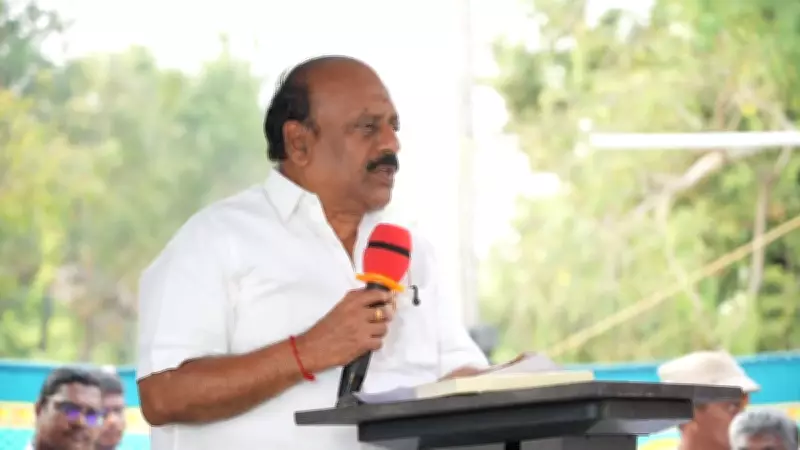
DMK Minister Anbarasan Accuses AIADMK of Failing to Curb Ganja Influx in Tamil Nadu
In a sharp political attack, DMK Minister Anbarasan has squarely blamed the previous AIADMK government for the ongoing flow of ganja into Tamil Nadu. He specifically targeted former Chief Minister Edappadi K. Palaniswami (EPS), accusing his administration of a severe failure in maintaining law and order to combat drug trafficking.
Allegations of Inaction During AIADMK Regime
Minister Anbarasan asserted that the AIADMK government, which was in power before the DMK took over, did not implement effective measures to check the spread of ganja during its tenure. He emphasized that this negligence has contributed to persistent drug-related issues in the state, undermining public safety and health.
The minister highlighted that the lack of robust enforcement and preventive strategies under EPS's leadership allowed ganja networks to flourish. This criticism comes amid growing concerns over drug abuse in Tamil Nadu, with authorities recently stepping up efforts to tackle the problem.

Focus on Law and Order Failures
Anbarasan's remarks underscore a broader political debate on governance and security in Tamil Nadu. By pointing fingers at EPS, he aims to hold the opposition accountable for what he describes as a breakdown in law and order mechanisms. The DMK government has been vocal about its commitment to strengthening anti-drug initiatives, and this accusation serves to contrast their approach with that of their predecessors.
Political analysts note that such statements are part of ongoing tensions between the DMK and AIADMK, with both parties frequently clashing over policy implementations and administrative records. The ganja issue, in particular, has become a focal point in discussions about public welfare and state security.
Implications for Tamil Nadu's Drug Control Efforts
The allegations raise questions about the effectiveness of past drug control measures and the current government's plans to address the challenge. Minister Anbarasan's comments suggest that the DMK is prioritizing a crackdown on narcotics as part of its governance agenda. However, the AIADMK has yet to respond formally to these accusations, leaving room for further political discourse.
As Tamil Nadu grapples with the social and economic impacts of drug trafficking, this development highlights the critical need for bipartisan cooperation in combating illicit activities. The state's future drug policy may hinge on how both parties navigate these contentious issues moving forward.






