

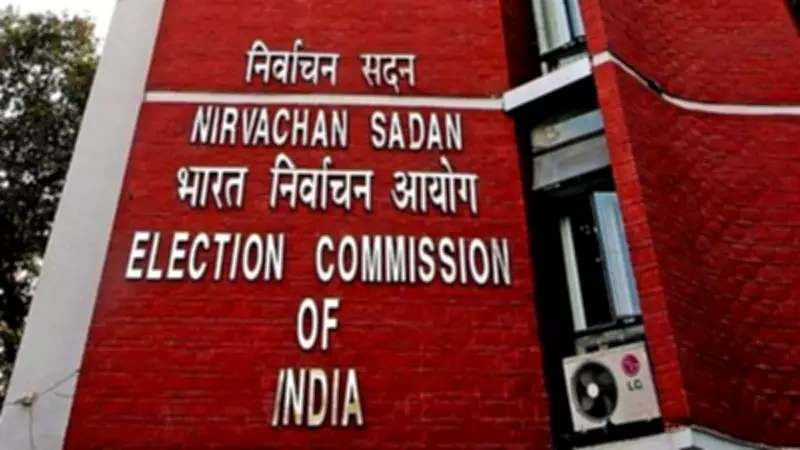
Election Commission Swiftly Replaces Nandigram Police Observer Amid TMC Bias Claims
In a dramatic development just two days before the crucial polling in West Bengal's Nandigram constituency, the Election Commission of India (ECI) has taken decisive action by replacing the police observer assigned to the area. This move comes directly in response to formal allegations of bias and partiality lodged by the ruling Trinamool Congress (TMC) party. The 2026 West Bengal Legislative Assembly elections have been marked by intense political rivalry, and this last-minute change underscores the high-stakes environment surrounding the electoral process in the state.
Timing and Triggers of the Observer Replacement
The replacement was executed a mere 48 hours prior to the scheduled polling date, highlighting the urgency with which the Election Commission addressed the concerns raised. The TMC had submitted a detailed complaint, accusing the previously appointed police observer of displaying a prejudiced attitude that could potentially compromise the fairness of the election in Nandigram. This constituency has historically been a significant political battleground, and ensuring impartial oversight is paramount to maintaining public trust in the democratic process.
The Election Commission, adhering to its mandate of conducting free and fair elections, acted promptly to investigate the allegations. Upon review, the ECI determined that a change was necessary to uphold the integrity of the polling process. The new police observer has been appointed with immediate effect and is tasked with overseeing all law and order arrangements, ensuring that the voting proceeds without any undue influence or malpractice.

Political Reactions and Implications for West Bengal Elections
The Trinamool Congress has welcomed the decision, stating that it reaffirms the Commission's commitment to neutrality and electoral transparency. A senior TMC leader emphasized that the party's complaint was based on specific instances of perceived bias, and the swift replacement validates their concerns. This incident highlights the ongoing tensions and the hyper-vigilant atmosphere characteristic of West Bengal's political landscape, where every move by election officials is scrutinized.
Opposition parties, including the Bharatiya Janata Party (BJP) and the Left Front, have also commented on the situation. While some have expressed relief that the Election Commission is taking proactive steps, others have raised questions about the timing and the potential for such changes to cause confusion among voters and polling personnel. The overarching goal, however, remains the conduct of a smooth and credible election across all 294 assembly seats in West Bengal.
Broader Context of Election Oversight in India
This event is not isolated but fits into a broader pattern of the Election Commission's rigorous oversight mechanisms during state and national polls. The ECI employs a vast network of observers—including police, expenditure, and general observers—to monitor elections and address any irregularities swiftly. The replacement of an observer due to bias allegations, though rare, demonstrates the Commission's adaptability and resolve in ensuring that electoral processes remain above reproach.
Key responsibilities of the new police observer in Nandigram will include:
- Supervising the deployment of security forces to prevent violence or intimidation.
- Ensuring that all polling stations are accessible and secure for voters.
- Monitoring any attempts at electoral fraud or code of conduct violations.
- Coordinating with local administration to facilitate peaceful voting.
As West Bengal heads to the polls, all eyes will be on Nandigram to see how this last-minute change impacts the voting dynamics. The Election Commission's action serves as a reminder of the critical role impartial oversight plays in sustaining democracy, especially in regions with a history of political fervor and contestation.






