

Eid Politics Ignites Fierce Confrontation in West Bengal
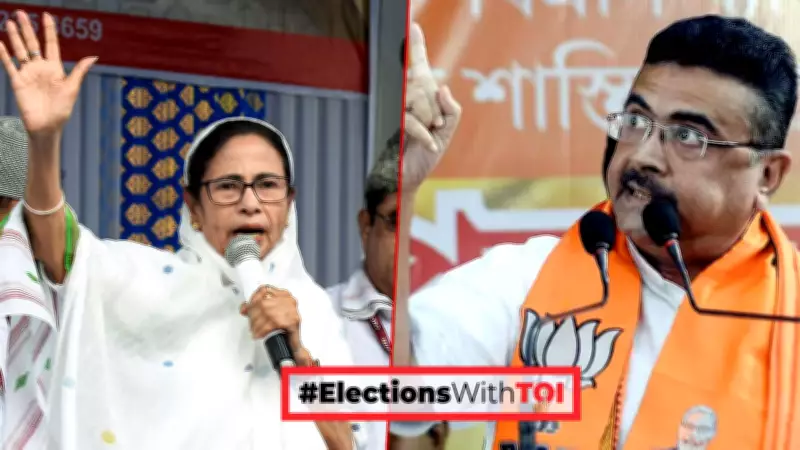
A dramatic and highly symbolic political showdown is currently unfolding across West Bengal, with Chief Minister Mamata Banerjee and opposition leader Suvendu Adhikari engaging in a fierce battle of narratives that is reshaping the state's electoral discourse. The timing and messaging from both camps underscore a profound shift in Bengal's political dynamics, where religion, cultural identity, and symbolism are becoming central to the campaign.
Mamata Banerjee's Eid Platform Attack on BJP
On the occasion of Eid al-Fitr, Mamata Banerjee utilized the religious platform to launch a direct and scathing attack on the Bharatiya Janata Party (BJP). In her address, she vehemently defended voter rights and accused the BJP of attempting to undermine democratic processes in the state. Her speech was strategically timed to resonate with minority communities and reinforce her party's commitment to secular values.
Banerjee's rhetoric focused on:

- Allegations of BJP interference in electoral fairness
- Strong defense of constitutional rights for all citizens
- Accusations of polarizing tactics by the opposition
Suvendu Adhikari's Temple Visit and Sanatan Narrative
In a counter-move brimming with symbolism, BJP leader Suvendu Adhikari visited the historic Kalighat Temple in Kolkata. His visit was carefully orchestrated to emphasize cultural identity and Hindu heritage, pushing what he termed the Sanatan narrative. Adhikari's message centered on political change rooted in traditional values and cultural pride.
Key elements of Adhikari's campaign include:
- Emphasis on Bengal's Hindu cultural identity
- Calls for a transformation in governance approach
- Positioning the BJP as the guardian of traditional values
Election Commission Controversy Adds Fuel to the Fire
Adding another layer of tension to an already volatile situation, Mamata Banerjee has launched fresh allegations against the Election Commission of India. She has accused the commission of bias and improper conduct, particularly regarding mass transfers of officials before the upcoming polls. These accusations have further polarized the political atmosphere, with both sides trading barbs over institutional integrity.
The controversy highlights:
- Growing distrust in electoral oversight mechanisms
- Escalating rhetoric between ruling and opposition parties
- Concerns about free and fair election conduct
Broader Implications for Bengal's Political Future
The current confrontation represents more than just routine political sparring. It signals a fundamental transformation in how electoral battles are being fought in West Bengal. The campaign has evolved from traditional political debates into a multifaceted contest encompassing:
Narrative Warfare: Both sides are crafting competing stories about Bengal's identity and future direction.
Symbolic Politics: Religious occasions and cultural sites have become stages for political messaging.
Identity Politics: Appeals to religious and cultural identities are becoming central campaign strategies.
As the battle for Bengal intensifies, observers note that the stakes have never been higher. The outcome will likely influence not just state governance but also set precedents for how religion and symbolism are employed in Indian electoral politics. With polarization deepening and rhetoric sharpening, West Bengal finds itself at a critical juncture where every political move carries significant symbolic weight and practical consequences.






