Fuel Shortage Fears Trigger Panic Buying in Punjab, Disrupting Supply
Fears of a potential fuel shortage in Punjab have sparked widespread panic buying among residents, leading to long queues at petrol pumps and significant disruptions in supply chains across the state. This sudden surge in demand has created a ripple effect, impacting daily life and transportation for many.
Panic Buying Grips the State
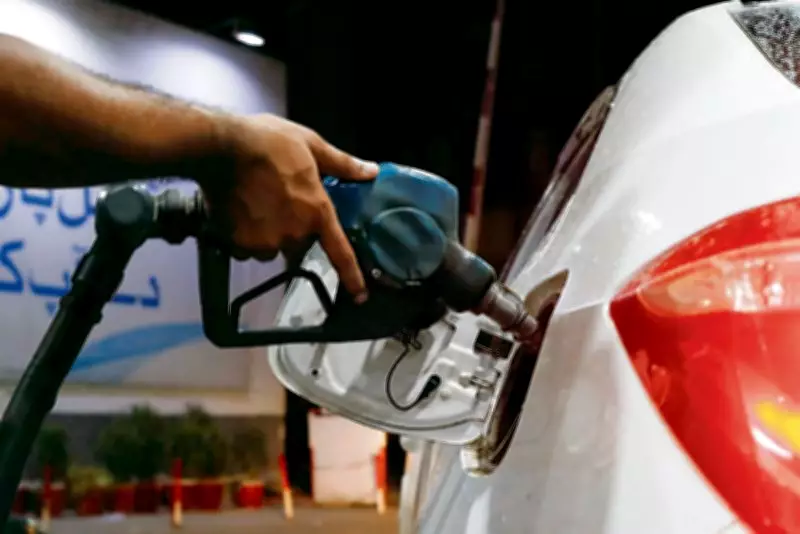
Reports indicate that rumors and concerns about fuel scarcity have driven people to rush to petrol stations, filling up their vehicles and even storing extra fuel in containers. This panic buying has resulted in chaotic scenes, with lines stretching for blocks and some pumps running dry within hours. The situation has been exacerbated by social media posts and word-of-mouth warnings, fueling anxiety among the public.
Impact on Supply and Daily Life
The increased demand has put immense pressure on fuel suppliers and distributors, leading to temporary shortages at various locations. Authorities are working to manage the situation, but the panic has already caused delays and inconveniences for commuters, businesses, and emergency services. Some areas have reported higher prices or rationing as pumps struggle to keep up with the unexpected spike in consumption.
Key Factors Behind the Crisis- Rumors and misinformation circulating about fuel availability.
- Historical instances of supply chain issues in the region.
- Increased travel and economic activities post-pandemic.
- Lack of immediate official communication to quell fears.
Authorities Respond to the Situation
Government officials and fuel companies have issued statements urging calm and assuring the public that there is no imminent shortage. They emphasize that supplies are being replenished regularly and advise against hoarding, which only worsens the problem. Efforts are underway to monitor distribution and prevent price gouging, with penalties for those exploiting the situation.
Long-term Implications and Public AdviceThis incident highlights the vulnerability of supply chains to panic-driven behavior and underscores the need for better crisis communication. Experts recommend that residents rely on verified information from official sources and avoid unnecessary stockpiling, as it can lead to artificial shortages and harm the broader community. Moving forward, enhanced coordination between authorities and fuel providers may help prevent similar episodes in the future.