Congress MP Varsha Gaikwad Condemns Maharashtra Government's Decision to Scrap Muslim Reservation
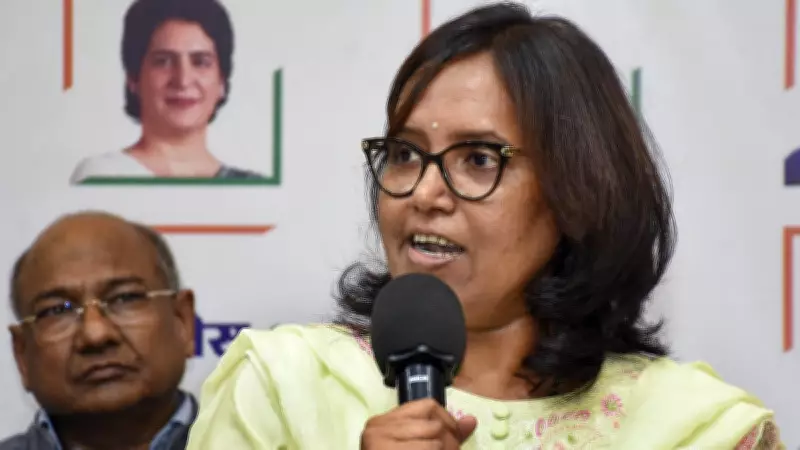
Congress Member of Parliament Varsha Gaikwad has launched a scathing attack on the Maharashtra state government following their controversial decision to cancel reservation quotas for the Muslim community. The move has sparked significant political debate and raised questions about the government's commitment to social justice initiatives.
Government Accused of Using Legal Technicalities
In her strongly worded criticism, Gaikwad specifically targeted the government's justification for the cancellation. "Instead of strengthening the process, the government has cancelled earlier procedures citing interim stay orders of the High Court and lapse of the ordinance," she stated emphatically.
The Congress parliamentarian argued that the administration is using legal technicalities as a convenient excuse to dismantle important affirmative action measures that were designed to address historical disadvantages faced by Muslim communities in Maharashtra.

Background of the Reservation Policy
The reservation policy in question was originally implemented through specific procedures and ordinances aimed at providing educational and employment opportunities to Muslims in Maharashtra. These measures were part of broader efforts to promote social inclusion and address systemic inequalities affecting minority communities across the state.
According to Gaikwad, the government's decision represents a significant setback for social justice initiatives that have been in development for years. She emphasized that rather than working to overcome legal hurdles or strengthen the existing framework, the administration has chosen the path of complete cancellation.
Political Implications and Reactions
This development comes at a politically sensitive time and has already generated substantial controversy. The cancellation of Muslim reservation quotas is likely to become a major point of contention between the ruling party and opposition groups in Maharashtra.
Gaikwad's criticism reflects broader concerns within the Congress party and among social justice advocates about the direction of Maharashtra's reservation policies. Many are questioning whether this decision signals a broader shift away from affirmative action programs designed to support marginalized communities.
Legal Context and Government Justification
The Maharashtra government has cited interim stay orders from the High Court and the lapse of relevant ordinances as primary reasons for their decision to cancel the Muslim reservation quotas. However, critics like Gaikwad argue that these legal challenges should have prompted efforts to strengthen and legally fortify the reservation framework rather than abandon it entirely.
This situation highlights the complex interplay between judicial oversight, legislative action, and executive implementation in matters of reservation policy. The debate raises important questions about how governments should respond when affirmative action measures face legal challenges.
Future Implications for Social Justice
The cancellation of Muslim reservation quotas in Maharashtra could have far-reaching consequences for social justice initiatives across India. As states grapple with implementing reservation policies that withstand legal scrutiny while effectively addressing historical inequalities, this case may serve as an important precedent.
Gaikwad's strong condemnation signals that this issue will remain politically significant in the coming months, with potential implications for upcoming elections and broader debates about social justice in India. The Congress MP has positioned herself as a vocal advocate for preserving and strengthening reservation mechanisms rather than dismantling them when faced with legal obstacles.