

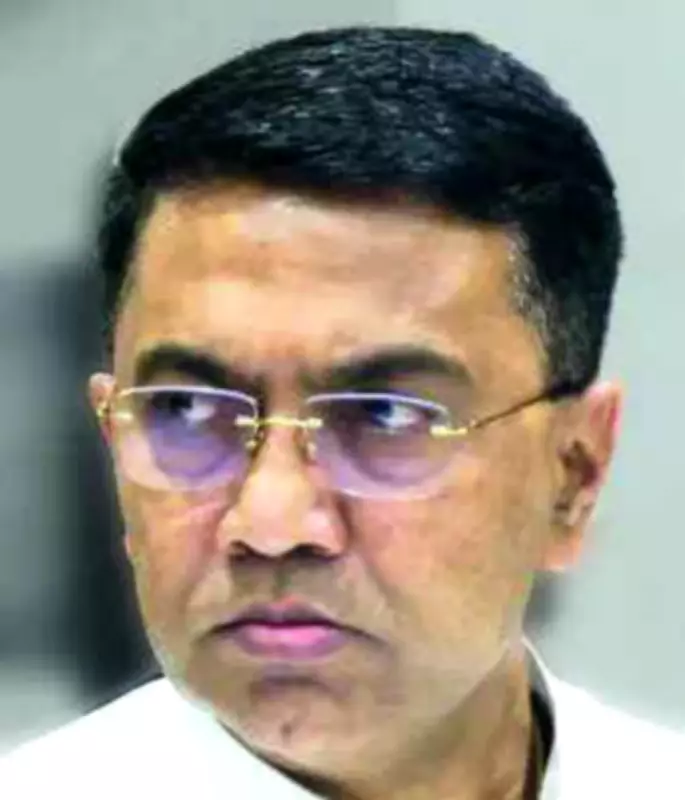
Goa Chief Minister Pramod Sawant to Present State Budget for 2026-2027 on March 6
Panaji: Chief Minister Pramod Sawant, who also holds the finance portfolio, will present the financial statement for the fiscal year 2026-2027 on the inaugural day of the budget session of the Goa legislative assembly on March 6. This announcement was confirmed by the Chief Minister himself in a statement to The Times of India.
Seventh Consecutive Budget Presentation Since 2020
This budget presentation marks a significant milestone, as it will be the seventh consecutive time that CM Sawant has presented the state budget since assuming office in 2020. This consistent stewardship over Goa's finances underscores his long-term involvement in the state's economic planning and governance.
Political analysts and observers note that this is likely to be the last full-fledged budget before the upcoming assembly elections scheduled for 2027. The timing and nature of this budget are therefore of heightened importance, setting the stage for the government's final pre-election fiscal roadmap.

Detailed Schedule and Legislative Proceedings
Following the budget presentation, the legislative assembly has allocated a structured timeline for thorough examination and debate:
- Three days will be dedicated to the general discussion of the budget, allowing members to scrutinize the proposed expenditures and revenues.
- Ten days have been reserved for ministers to present the detailed demands of their respective departments, ensuring each sector receives focused attention.
Chief Minister Sawant is expected to pass the full-fledged budget during this session, a departure from recent practices. Over the past couple of years, the state government had opted for a vote on account, with the comprehensive budget being passed during the monsoon session. This shift in strategy is seen as a move to streamline the budgetary process ahead of the election cycle.
Strategic Implications and Opposition Dynamics
By passing the full budget in this session, the state government aims to expedite the legislative process. This approach is perceived by some as a tactic to limit the opposition's time to raise critical issues and mount challenges in the lead-up to the 2027 elections. The condensed timeline may reduce opportunities for prolonged debates on contentious matters.
During the 14-day budget session, which runs from March 6 to March 27, several key activities are planned:
- CM Sawant will table the 'action taken' report on the previous budget, providing accountability and updates on past commitments.
- MLAs will have the opportunity to raise both starred and unstarred questions related to various government departments, facilitating oversight and transparency.
- Through private members' resolutions, legislators can seek assurances from the government on specific policies or actions.
- The zero hour will allow members to raise matters of urgent public importance, ensuring timely attention to pressing issues.
Addressing Past Criticisms and Public Concerns
The extended duration of this session is expected to provide the opposition with more time to raise issues, a point of contention in recent assemblies. The last session held in January featured only six sittings, which drew strong criticism from opposition MLAs. They expressed dissatisfaction with the short duration, arguing that it hampered their ability to address issues of public importance effectively.
Opposition members had previously demanded detailed discussions on pressing matters, including the tragic Birch fire incident that claimed 25 lives. The upcoming session offers a platform for such debates, potentially addressing long-standing grievances and enhancing legislative scrutiny.
The House will not convene on March 19 due to the celebration of Gudi Padwa and on March 26 on account of Ram Navami, respecting cultural and religious observances while maintaining the session's overall schedule.






