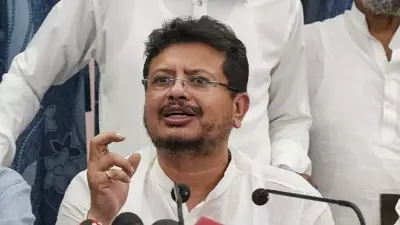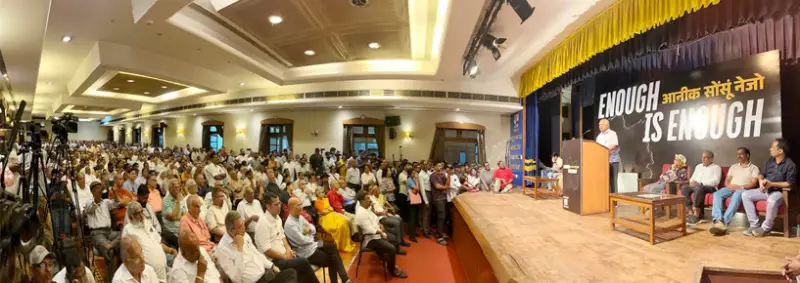
A scheduled public address in Panaji transformed into a powerful display of public anger and determination, as Justice Ferdino Rebello's call for a people's movement resonated deeply with citizens. The core message was unequivocal: Goa's land, rivers, hills, and cultural identity are not commodities for sale.
Systematic Plunder and Betrayal of Trust
Speaker after speaker articulated a shared frustration over what they described as the systematic exploitation of Goa's natural resources. Prominent lawyer and Padma Shri awardee Norma Alvares delivered a sharp critique, labeling the dilution of the Regional Plan 2021 (RP2021) as an act of betrayal. She emphasized that this plan, crafted by eminent planners, designates 82% of Goa as eco-sensitive zones—including hills, forests, and sand dunes—where development is prohibited.
"This document is our passport to good governance," Alvares asserted. "However, those in authority are making unofficial alterations to benefit wealthy corporations and real estate developers. Our demand is clear: strict adherence to RP2021. No dilution and no backdoor changes."

Eroded Laws and Unchecked Power
Architect and activist Tahir Noronha highlighted the irony of Goa being the first Indian state to enact a hill slope protection law in 1997, only to see it rendered ineffective today. "That law is being gutted by bad architects and worse governance," he stated, criticizing the sweeping powers currently vested in the chief town planner. "No bureaucrat should have the authority to decide which hill lives and which hill dies," Noronha added.
Activist Usman Khan Pathan turned his focus to the Goa Coastal Zone Management Authority (GCZMA), accusing it of inaction. He insisted on compulsory weekly, fortnightly, and monthly inspections, along with strict penalties for officials who issue defective show-cause notices that allow violators to escape punishment. His demands were direct: "Seal sites, cancel licenses, and systematically demolish all illegal structures on our beaches."
Grassroots Disempowerment and Broken Promises
Tribal leader Ravindra Velip shed light on the powerlessness at the village level. He explained that even when local panchayats deny construction licenses, the Town and Country Planning (TCP) Department overrules them, leaving gram sabhas without real authority. "We demand mandatory gram sabha consent for all development projects, additional powers for villages, and the notification of all villages as scheduled areas to prevent the conversion of agricultural land," Velip declared.
The sentiment of broken political promises was echoed by freedom fighter Rohidas Desai. He recalled the pledge made during the last elections to remove casinos from the River Mandovi within 100 days. "Instead, we got more pollution," he lamented. "Senior citizens simply wish to see the Mandovi restored to its former state—clean, alive, and dignified."
As the open session progressed, the collective fury in the room intensified. RTI activist Rajan Ghate raised alarms over the River Mhadei issue, while lawyer-activist Albertina Almeida demanded that nationally-notified rivers be returned to state control. Other concerns included the destruction of communidades, the employment of non-Goans by beach shack owners, and the construction of luxury bungalows with swimming pools.
A Charter for Change and an Open Invitation
With emotions running high, Justice Ferdino Rebello intervened to channel the energy constructively. Extending an open invitation, he said, "My home is open to all. Whether it is the RSS chief of Goa or the Congress, anyone can come and share their suggestions for this people's movement." He appealed to the public to submit written suggestions to help draft a formal charter of demands, marking the beginning of an organized civil society pushback.
The event in Panaji has crystallized into a formidable movement, uniting citizens, activists, and tribal leaders under the common banner of protecting Goa's ecological and cultural heritage from unchecked exploitation.