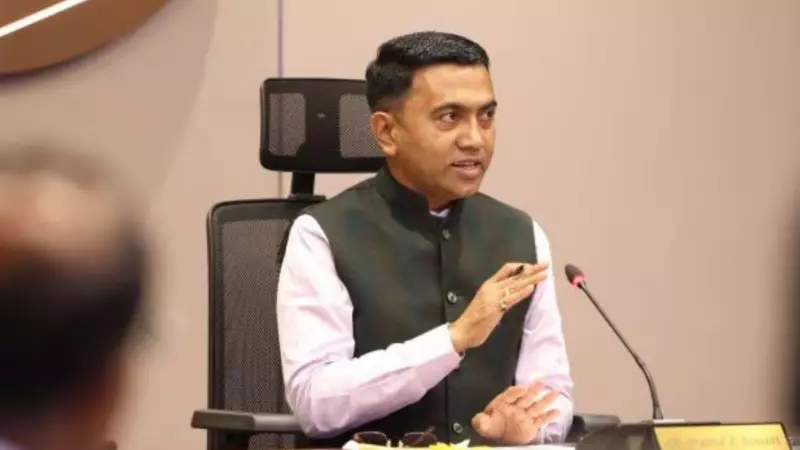
In a significant administrative and cultural move, the Goa government has officially announced the creation of the state's third district, to be named Kushavati. The announcement was made by Chief Minister Pramod Sawant on Wednesday, January 1, 2026.
Why the Name Kushavati?
Chief Minister Sawant explained that the district derives its name from the Kushavati river, an ancient waterbody flowing through southern Goa. He emphasized the river's deep historical and cultural significance, stating it represents the state's ancient geographical heritage and identity.
"Kushavati is Goa’s ancient river… a river that represents the state’s ancient geographical heritage and identity," Sawant said. He connected the river to Goa's glorious past under the Chalukya reign and highlighted the Usgalimal rock engravings (petroglyphs) situated along its banks, which are a global attraction and exhibit the earliest traces of human settlement in the region.

"The name symbolises Goa’s culture and traditions. In the future, the new district will be one of ecological importance and heritage and tourists will especially go to see it," the Chief Minister added. Historian Prajal Sakhardande supported this, noting that the ancient capital of Goa, Chandrapur or Chandor, is located on the banks of the Kushavati, which has witnessed the rule of dynasties like the Bhojas, Shilaharas, and Kadambas from the 4th to the 14th century.
Geography and Administrative Structure
The new Kushavati district will be carved out from the existing South Goa district. It will encompass the four hinterland talukas of:
- Sanguem
- Dharbandora
- Quepem
- Canacona
The district headquarters will be located in Quepem. With this creation, Goa will now have three districts: North Goa, South Goa, and Kushavati.
Sawant also announced the notification of a third Zilla Panchayat for the new district, which will govern the four constituent talukas. This move is seen as a step towards decentralizing power and enhancing local governance.
The Road to Creation: Committee and Rationale
The process for creating the third district began in November 2023 when the state government formed a seven-member committee headed by the Chief Secretary. This committee was tasked with a detailed examination of the proposal, considering factors like:
- Increasing population
- Need for overall development
- Welfare of people in backward talukas
- District boundaries, geography, and demography
- Existing infrastructure and administrative advantages
- Estimated costs involved
The Goa Cabinet had approved the proposal in July 2025. After the committee's thorough assessment, the government gave the final green light.
Chief Minister Sawant hailed the decision as a historic step towards stronger governance and balanced regional development. He acknowledged the initial administrative and financial outlay but stressed the long-term benefits. These include improved access to central funds and programmes like the Aspirational District Programme, better administrative reach, timely delivery of public services, and enhanced implementation of welfare schemes at the last mile.
This restructuring aims to bring governance closer to the people in the hinterland regions, ensuring their development is aligned with Goa's progress while celebrating and preserving its rich ecological and historical heritage embodied by the Kushavati river.