Gujarat Villages Impose Strict Social Codes on Marriage Amid State Proposal
While the Gujarat government's proposal that couples must inform their parents before tying the knot is yet to become formal law, de facto orders to that effect are already being enforced in various parts of the state. Numerous villages and communities have independently established detailed 'codes' intended to govern how their members marry, creating a patchwork of local regulations that precede any state legislation.
Ground-Level Demands Shape Proposed Amendments
The amendments introduced in the state assembly recently reflect demands and actions already being pushed at the grassroots level. What began as scattered village resolutions has hardened into community-level 'constitutions'—formal declarations that threaten couples who marry for love with boycott, ostracism, and exclusion from public life.
From gram sabhas in Kheda district to caste organizations representing Patidars and Thakors, the consensus driving these declarations is that marriage without parental consent threatens tradition, destabilizes social order, and endangers women's safety.

'Violate Ban, Face Boycott': Nand Village's Strict Resolution
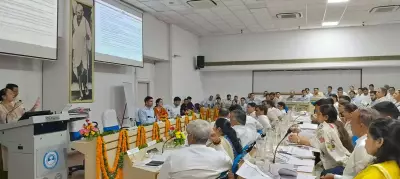
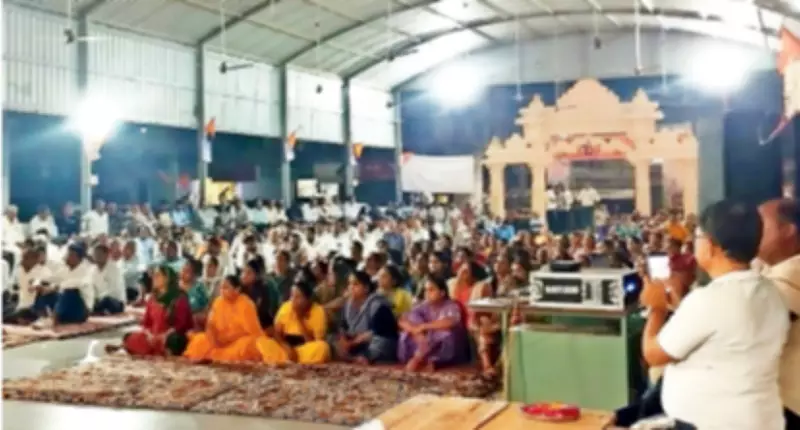
The gram sabha in Nand village in Mahudha taluka recently passed a comprehensive resolution imposing total social boycott on couples who marry despite opposition from their families. Such couples face exclusion from community facilities, religious gatherings, and social functions.
The resolution also implements additional restrictions:
- Capping wedding and funeral expenses
- Prohibiting DJs and "objectionable songs" at events
- Imposing fines for violations of these rules
Bharat Solanki, the village sarpanch, explained that rising cases of marriage disputes prompted the decision. "We are a village of 5,000, mostly Thakors and Darbars. There have been sagotra (intra-clan) marriages, which are not permissible. When a couple elopes, it puts parents in an embarrassing position. As these incidents have been rising, we decided to declare a ban on such marriages," Solanki stated.
He emphasized that the rules apply universally: "The rules are for everyone. We are not targeting one single group. Violators pay Rs 21,000 fine and are excluded from village gatherings." All communities in the village—including OBC and SC families, which form a minority—must comply.
Broader Social Churn Across Communities
Similar 'rules' are emerging elsewhere in Gujarat, signaling a broader social transformation. Village elders argue that couples who elope—locally known as 'bhagedu lagan'—disrupt social harmony and bring dishonor to their families.
Geni Thakor, Congress MP from Banaskantha who led the Thakor community's campaign against such unions, said the decision resulted from "seeing fraudulent marriages repeatedly."
"A girl marrying outside her community weakens its social fabric. There have been instances where women are deceived by men, subjected to abuse, and in some cases driven to suicide. Our aim is to protect our daughters," Thakor explained, also citing demographic concerns about declining sex ratios among Patidars.
Following the proposed amendments, Thakor noted she "was the first to raise the issue of 'bhagedu lagan' when the 'love jihad' bill was tabled in the assembly." She insisted that "99% of love marriages fail and bring misery to the girl," though when asked about the basis for this claim, she acknowledged it came from village observations that might not apply in larger cities.
Patidar Community's Parental Consent Demands
Among Patidars, opposition to self-choice marriages has simmered for years. Lalji Patel, who heads the Sardar Patel Group (SPG), said the movement crystallized around parental anguish.
"During Covid, parents came to us, begging us to rescue daughters trapped in sham marriages," Patel recalled. "That is why we initiated these measures."
He said the SPG has been demanding that the legal age of marriage for women be raised from 18 to 21, while acknowledging that the Constitution allows adults to marry by choice. "But society matters. Parents are everything. They should have a say," Patel emphasized.

Extreme Demands from Patidar Sena
One pamphlet distributed by the Patidar Sena in Mehsana went beyond parental consent to call for sweeping changes:
- Parents' signatures required on marriage registration for those aged 30 or younger
- Court marriages restricted to the bride's local jurisdiction
- Minimum age of 40 for witnesses
- Couples who marry by choice after 30 required to deposit Rs 10 lakh in their parents' accounts and forfeit any claim to family property
"These demands are born from the pain parents have gone through," explained Satish Patel, leader of the Mehsana Patidar Sena. Regarding the government's proposed rules, he expressed dissatisfaction, saying they also wanted "only blood relatives of girls to be signatories in the marriage registration as that ensures both parents and relatives bear full accountability for every such union."
Community Leaders Defend Their Position
Community leaders backing these demands insist they are not against people choosing whom they want to marry, but against secrecy and deception.
"If a couple wants to marry and the parents agree, we have no objection," Lalji Patel clarified. "But parents must be involved. They're the ones who will always shield their daughters."
He too expressed disappointment with the government's proposal: "The govt speaks of merely 'informing' parents, as though a notification is sufficient. We have demanded that parents' consent be made mandatory."
Legal Experts and Victims Voice Concerns
Legal experts warn that such measures strike at the core of constitutional freedoms, while those who violate these diktats report serious difficulties in their daily lives.
A Dalit man from northern Gujarat who married a woman from the higher-status Darbar community in 2015 said they have had to change residences at least 50 times and avoid social media to prevent being traced. Both hold postgraduate degrees but cannot find stable employment.
"We've not been able to work at one place. We are dependent on daily wages even though we both hold PG degrees," the man revealed. "We took up jobs with NGOs, but my wife's family members or relatives traced me there during fieldwork."
Legal Perspective on Constitutional Rights
Kaushik Parmar, a lawyer from Mehsana who works with intercaste couples, strongly criticized the proposed changes to marriage registration rules.
"Love marriage is not the enemy of society; it is the right of a free citizen," Parmar asserted. "Every attempt to curb it weakens the Constitution and strengthens caste hierarchies. If we truly want a progressive, equal, and just society, we must see love marriage not as a crime but as an instrument of social change. These rules amount to the murder of democracy."