Guwahati Central Assembly Constituency: A Crucial Electoral Arena for 2026
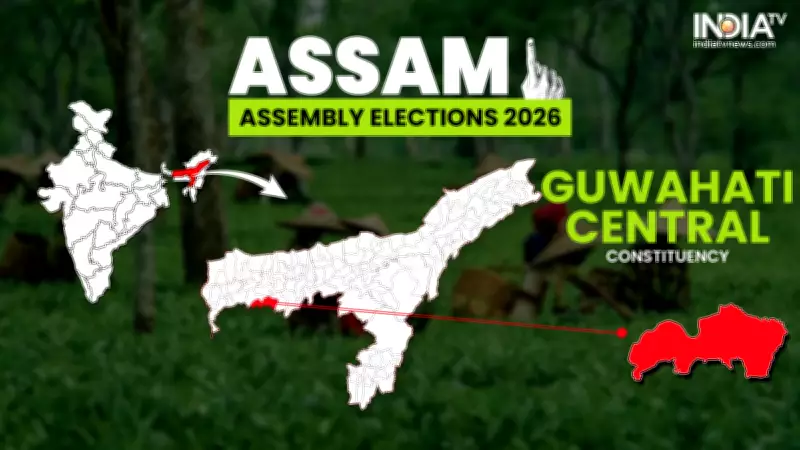
The Guwahati Central Assembly constituency is poised to emerge as a pivotal battleground in the upcoming 2026 Assam Legislative Assembly elections. This urban seat, located in the heart of Assam's capital city, Guwahati, holds significant political weight due to its demographic diversity and strategic importance. As political parties gear up for the electoral contest, understanding the constituency's historical trends, past performance, and potential candidates becomes essential for forecasting the political landscape.
Historical Performance and Past Winners
In the 2021 Assam Assembly elections, the Bharatiya Janata Party (BJP) secured a decisive victory in Guwahati Central. The incumbent MLA, Mr. Siddhartha Bhattacharya, successfully defended his seat with a substantial margin, reinforcing the BJP's stronghold in this key urban constituency. His victory was part of the broader electoral wave that saw the BJP-led alliance retain power in the state.
Looking back at previous elections, the constituency has witnessed a dynamic shift in political allegiance over the years. Prior to the BJP's ascendancy, the Indian National Congress held sway in Guwahati Central for multiple terms. Notable past winners include Congress leaders who capitalized on the constituency's mixed voter base, comprising both indigenous Assamese communities and migrant populations. The transition to BJP dominance reflects broader national and state-level political realignments, emphasizing issues such as development, identity politics, and governance.
Victory Margins and Electoral Trends
The victory margins in Guwahati Central have varied significantly across election cycles, often serving as a barometer for the prevailing political climate. In the 2021 elections, the winning margin was notably high, exceeding 20,000 votes, which underscored the BJP's robust organizational strength and effective campaign strategies. This margin contrasts with earlier elections where contests were more tightly fought, with margins sometimes dipping below 5,000 votes during periods of intense political competition.
Analyzing these trends reveals that factors such as voter turnout, candidate popularity, and local issues play a critical role in determining outcomes. The constituency's urban character means that voters are generally more informed and responsive to governance metrics, infrastructure development, and economic policies. As such, parties must tailor their campaigns to address these specific concerns to secure electoral success.
Party-Wise Candidates and Strategic Moves
As the 2026 elections approach, major political parties are expected to engage in meticulous candidate selection processes for Guwahati Central. The BJP is likely to consider fielding the sitting MLA, Siddhartha Bhattacharya, again, given his incumbency advantage and proven track record. However, internal party dynamics and performance reviews could influence this decision, potentially opening the door for new faces if the party seeks to rejuvenate its appeal.
On the other hand, the Indian National Congress is anticipated to mount a strong challenge by nominating a high-profile candidate capable of galvanizing anti-incumbency sentiments. The party may leverage its historical connection with the constituency and focus on issues like unemployment, inflation, and social welfare to attract voters. Additionally, regional parties and independent candidates could enter the fray, adding further complexity to the electoral calculus.
Other key players, such as the Asom Gana Parishad (AGP) and new political entrants, might also contest, aiming to capitalize on niche voter segments or emerging political narratives. The candidate lists and alliances will likely crystallize closer to the election date, with parties conducting extensive surveys and grassroots outreach to optimize their strategies.
Demographic and Socio-Economic Profile
Guwahati Central is characterized by a diverse demographic makeup, including a mix of Assamese natives, Bengali-speaking communities, and migrants from other parts of India. This diversity translates into a multifaceted electoral behavior, where caste, religion, and linguistic identities often intersect with broader political ideologies. The constituency is also economically vibrant, with a significant presence of businesses, educational institutions, and government offices, making development and governance key voter priorities.
Socio-economic issues such as urban infrastructure, traffic management, pollution control, and healthcare facilities are likely to dominate the election discourse. Voters in this urban seat tend to be more demanding of tangible deliverables and efficient public services, pushing parties to move beyond rhetoric and present concrete action plans.
Future Outlook and Political Implications
The outcome in Guwahati Central will have far-reaching implications for the overall results of the 2026 Assam Assembly elections. As a bellwether constituency, its results could signal broader trends in urban Assam and influence political strategies across the state. A BJP victory would reinforce its urban dominance and support for its policies, while a Congress win could indicate a resurgence of opposition forces and shifting voter preferences.
Moreover, the constituency's performance will be closely watched by political analysts and parties alike, serving as a litmus test for the effectiveness of campaign strategies and governance models. With the election still some time away, ongoing developments, such as economic conditions, policy implementations, and national political events, will continue to shape the electoral dynamics in Guwahati Central.
In conclusion, the Guwahati Central Assembly constituency is set to be a fiercely contested seat in the 2026 Assam elections, with historical data, candidate strategies, and local issues converging to determine the final result. As parties finalize their plans and voters weigh their options, this constituency will undoubtedly remain at the forefront of Assam's political narrative.