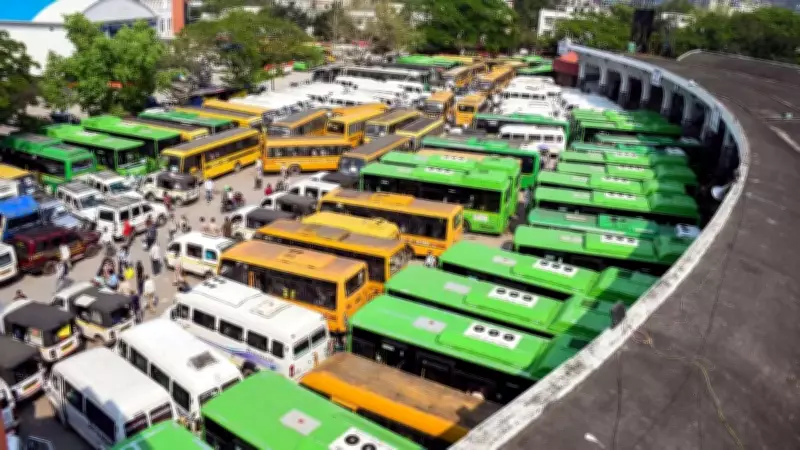
Guwahati Transport Chaos: Voters Stranded as Election Rush Sparks Fare Hikes
A sharp and unexpected rise in outbound travel triggered widespread chaos in key areas of Guwahati on Wednesday, leaving numerous passengers struggling desperately to secure transportation back to their respective districts. The sudden rush, driven by voters racing against time to cast their ballots, sparked intense frustration amid reports of steep and unregulated fare increases across the city.
Chaotic Scenes on Major Highways
The NH-27 stretch from Khanapara to Jalukbari witnessed particularly chaotic scenes, as voters formed extensive long queues and overcrowded the area, waiting for hours for inter-district buses that largely failed to arrive. The transport crunch worsened significantly as many of these regular buses had been officially reserved for election duties, forcing weary travellers to turn to private vehicles and shared taxis, often at dramatically inflated fares.
Akash Das, a voter from Nagaon district who works in Guwahati, reported waiting along the Jorabat stretch for over an hour without finding any available transport. “I have not found any buses so far. I have to go to Samaguri village to cast my vote. There are no buses, and the taxis that are running are charging between Rs 600 and Rs 1,000. Earlier, the usual fare was Rs 300,” he explained, highlighting the severe financial burden placed on commuters.

Stranded Passengers Voice Their Struggles
In the Basistha area, stranded passengers alleged that the situation was particularly hard on students and daily wage earners, who could least afford the sudden price surges. Divyanshu Das, a student heading to Kaziranga, shared his predicament: “We have no option but to pay. I will be casting my vote for the first time. The driver has asked me to pay Rs 800 — usually it is between Rs 300 and Rs 400.”
The situation was no different in Jalukbari, from where vehicles typically depart towards lower Assam. With regular transport options completely unavailable, many desperate passengers resorted to unconventional means, including pickup tempos and trucks, to make their way home for voting.
Transport Operators Defend Fare Increases
However, drivers and transport operators defended the fare hikes, citing rising operational costs and significantly increased workload due to the election-driven demand. Many stated they were making multiple trips in a single day to meet the unprecedented surge in passenger numbers.
Hafisul Ahmed, a cab driver travelling to Hojai, elaborated on the financial pressures: “I am travelling to Hojai, and along the way I have to pass through several toll gates. Coupled with rising petrol costs, my total expense will come close to Rs 3,000. Even after bearing these costs, we still need to earn something,” he argued, pointing to the economic realities facing transport providers.
Authorities Remain Silent on Regulation
Authorities have yet to make any formal intervention regarding fare regulation during this critical election rush period. Officials from the Kamrup (Metropolitan) district administration and the state transport department have not publicly commented on the escalating situation, leaving passengers without official recourse or protection from price gouging.
This transport crisis highlights a recurring and systemic challenge during election periods in Assam, where large-scale movement of people consistently puts immense pressure on the region's already strained transport infrastructure. The lack of coordinated planning and regulatory oversight exacerbates difficulties for citizens exercising their democratic right to vote.