Karnataka High Court Mandates Recount of 270 Rejected Postal Ballots in Sringeri Assembly Segment
The Karnataka High Court has issued a significant directive for the Sringeri Assembly segment, ordering a recount of 270 postal ballots that were previously rejected during the election process. This judicial intervention follows a petition challenging the validity of the ballot rejections, which could potentially alter the electoral outcome in this closely watched constituency.
Background of the Case and Legal Proceedings
The case stems from the recent assembly elections in Karnataka, where the Sringeri segment witnessed a tight race between candidates. A petitioner approached the High Court, alleging that a substantial number of postal ballots—specifically 270—were improperly discarded without adequate scrutiny. The court, after reviewing the arguments and evidence, found merit in the claims and directed election authorities to conduct a fresh recount of these ballots.
This decision underscores the judiciary's role in ensuring electoral integrity, particularly in segments where margins are narrow and every vote counts. The High Court emphasized the need for transparency and adherence to procedural norms in handling postal ballots, which are often used by service voters, absentee electors, and those unable to vote in person.

Implications for the Sringeri Assembly Election
The recount order has immediate implications for the Sringeri Assembly constituency, where the initial results may be subject to change depending on the outcome of the re-examination. Political analysts note that even a small shift in vote tallies could swing the result, given the competitive nature of the race. This development has heightened political tensions, with parties closely monitoring the process to safeguard their interests.
Election officials are now tasked with executing the recount in a timely and impartial manner, as per the court's instructions. The process will involve verifying the eligibility of each rejected ballot and ensuring that valid votes are included in the final count. This move is expected to set a precedent for similar disputes in other constituencies, reinforcing the importance of meticulous ballot handling.
Broader Context and Electoral Significance
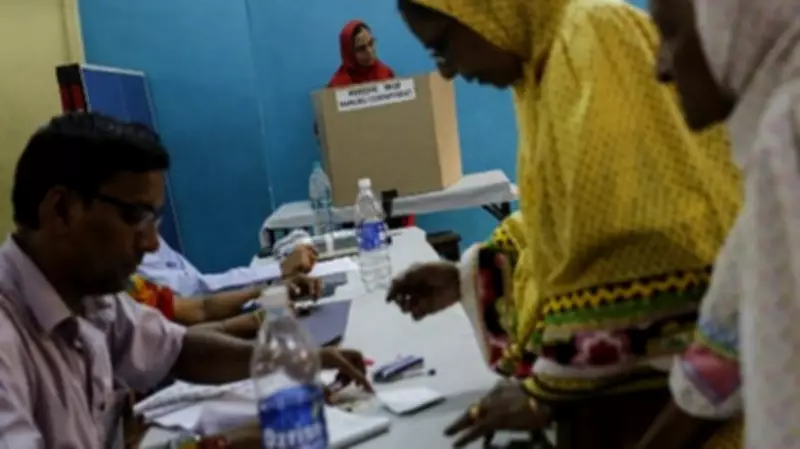
This incident highlights ongoing challenges in India's electoral system, particularly concerning postal ballot management. Postal ballots, while crucial for inclusive voting, are prone to disputes over rejection criteria, such as signature mismatches or procedural errors. The Karnataka High Court's intervention serves as a reminder to election authorities to exercise due diligence in processing these votes to prevent legal challenges.
In the broader context of Karnataka politics, the Sringeri segment's outcome could influence regional dynamics and party strategies. The recount process will be closely watched by stakeholders, including voters, candidates, and election watchdogs, to ensure fairness and uphold democratic principles. As the situation unfolds, it underscores the critical role of the judiciary in resolving electoral ambiguities and maintaining public trust in the democratic process.