The year 2025 presents a formidable challenge for the Himalayan state of Himachal Pradesh, caught in a precarious bind between the relentless fury of nature and the crushing weight of financial liabilities. The state is navigating a complex crisis marked by recurring natural disasters, an urgent but costly rebuilding effort, and a debt burden that threatens to undermine its economic stability and development goals.
A State Under Siege from Natural Calamities
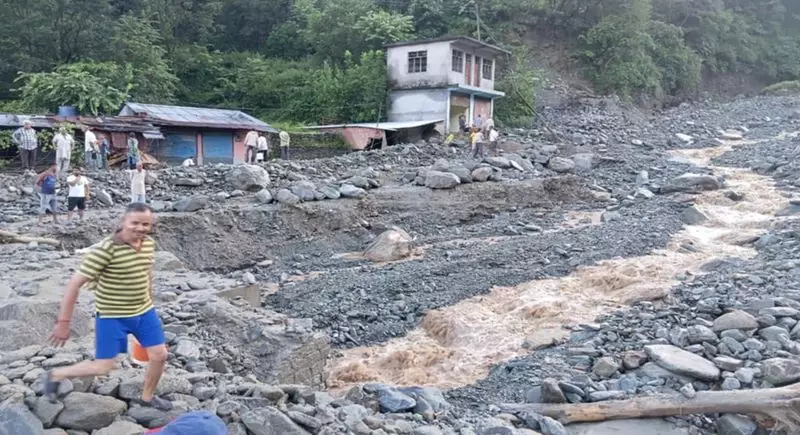
The specter of natural disasters continues to loom large over Himachal. The year 2023 was particularly devastating, with the state suffering catastrophic losses during the monsoon season. Official figures paint a grim picture: 509 lives were lost, and total damages were estimated at a staggering ₹12,000 crore. This period saw unprecedented rainfall, severe cloudbursts, and massive landslides that obliterated critical infrastructure, including roads, bridges, water supply schemes, and power projects.
The trauma of 2023 has made the state and its residents deeply anxious about the upcoming 2024 monsoon and the prospects for 2025. The memory of destroyed homes and snapped connectivity is fresh, and the fear of a repeat performance keeps the populace on edge. The state's geographical vulnerability to extreme weather events, possibly intensified by climate change, means disaster management is no longer a seasonal concern but a year-round priority.
The Rush to Rebuild and Its Financial Fallout
In the aftermath of the 2023 disasters, the state government launched a massive, accelerated reconstruction drive. The primary goal was to restore essential infrastructure and provide relief to affected citizens before the next monsoon cycle. While this rush to rebuild was necessary for restoring normalcy, it came with a severe financial strain.
The government had to re-prioritize its budget, diverting funds from planned development projects to emergency restoration work. This has delayed numerous initiatives and stretched the state's financial resources to their limit. The cost of rebuilding resilient infrastructure that can withstand future calamities is exponentially higher, further complicating the fiscal math.
The Mounting Debt: A Ticking Time Bomb
Beneath the immediate crisis of calamities and reconstruction lies a deeper, more systemic threat: a ballooning debt burden. Himachal Pradesh's debt is projected to reach an alarming ₹1.15 lakh crore by the end of the 2024-25 financial year. This staggering figure represents a significant portion of the state's Gross State Domestic Product (GSDP) and severely limits its financial maneuverability.
The debt servicing obligations—paying interest and principal on existing loans—consume a massive share of the state's revenue. This leaves precious little for new development projects, social welfare schemes, or even long-term disaster preparedness initiatives. The need to borrow more to fund reconstruction only exacerbates this vicious cycle, pushing the state towards a potential debt trap where new loans are taken primarily to service old ones.
Navigating the Path Ahead in 2025
The convergence of these three challenges—natural calamities, urgent rebuilding, and unsustainable debt—creates a perfect storm for Himachal Pradesh as it looks toward 2025. The state's administration is walking a tightrope, balancing immediate humanitarian and infrastructural needs with long-term fiscal prudence.
Key to navigating this will be a multi-pronged strategy. Firstly, securing enhanced and timely financial assistance from the Central Government under national disaster relief funds is critical. Secondly, there is a pressing need to invest in science-based early warning systems and climate-resilient infrastructure, even if the initial cost is high. Thirdly, exploring innovative financing models and ensuring meticulous fiscal management will be essential to curb the debt spiral.
The resilience of Himachal's people is being tested like never before. The year 2025 will be a decisive one, determining whether the state can break free from the cycle of disaster and debt to forge a path toward sustainable and secure development for its citizens.