Punjab's Power and Public Works Minister, Barinder Kumar Goyal, has launched a strong critique against the Himachal Pradesh government's recent decision to impose a water cess on hydroelectric projects operated by the Bhakra Beas Management Board (BBMB). He has categorically labeled the move as unconstitutional and a direct violation of a Supreme Court order.
Violation of Supreme Court Directive
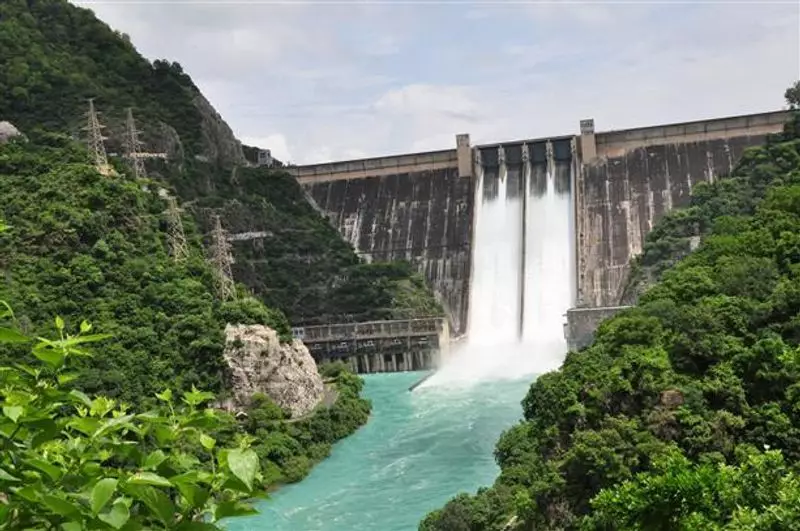
Minister Goyal's primary argument rests on a landmark 2011 judgment by the Supreme Court of India. He emphasized that the apex court had clearly ruled that no state has the authority to levy any tax or cess on water stored or electricity generated from projects managed by the BBMB. This board is a central entity overseeing critical infrastructure like the Bhakra Nangal Dam, which serves multiple states.
The Himachal Pradesh government passed legislation to impose a 12% cess on the power generated by BBMB projects within its territory. This decision, according to the Punjab Minister, not only disregards the federal structure and established legal precedent but also threatens to disrupt the long-standing cooperative framework between partner states.

Punjab's Firm Stance and Historical Context
Barinder Goyal stated that the Punjab government is prepared to take all necessary legal and administrative steps to safeguard the state's interests. He framed the issue as a matter of protecting Punjab's rightful share of resources and upholding the principles of inter-state equity.
The minister provided historical context, reminding that the construction of monumental projects like the Bhakra Dam involved significant sacrifices from the people of Punjab, including the displacement of numerous families and the submergence of vast tracts of agricultural land. He argued that imposing a cess now is an unfair burden that undermines the original spirit of cooperation and shared benefit that led to the creation of these national assets.
Broader Implications and the Way Forward
This development has the potential to spark a significant inter-state dispute. The cess could lead to increased costs for power distribution, ultimately affecting consumers. Minister Goyal's strong statement indicates that Punjab will not accept this decision passively.
The next steps are likely to involve formal diplomatic protests between the state governments and potentially a fresh legal challenge in the courts. The central government may also be called upon to intervene and mediate the dispute, given that the BBMB falls under its jurisdiction. The situation highlights the ongoing complexities of water and power sharing in India, where legal, historical, and emotional claims often intersect.
Punjab's clear message is that the rule of law, as established by the Supreme Court, must prevail. The state's leadership has vowed to defend what it sees as its constitutional rights against any unilateral fiscal measures imposed by a neighboring state on centrally managed resources.